April 22, 2026
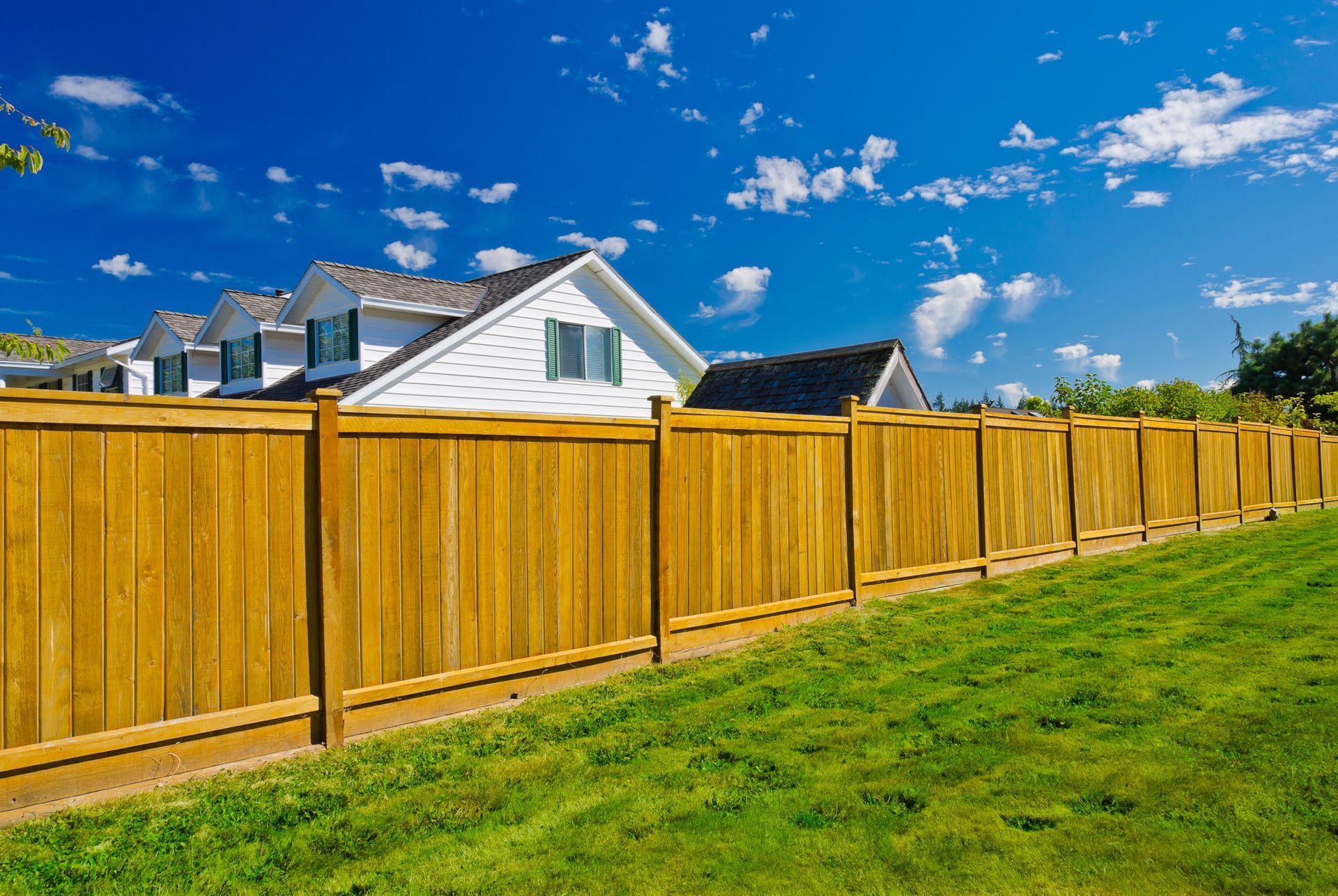
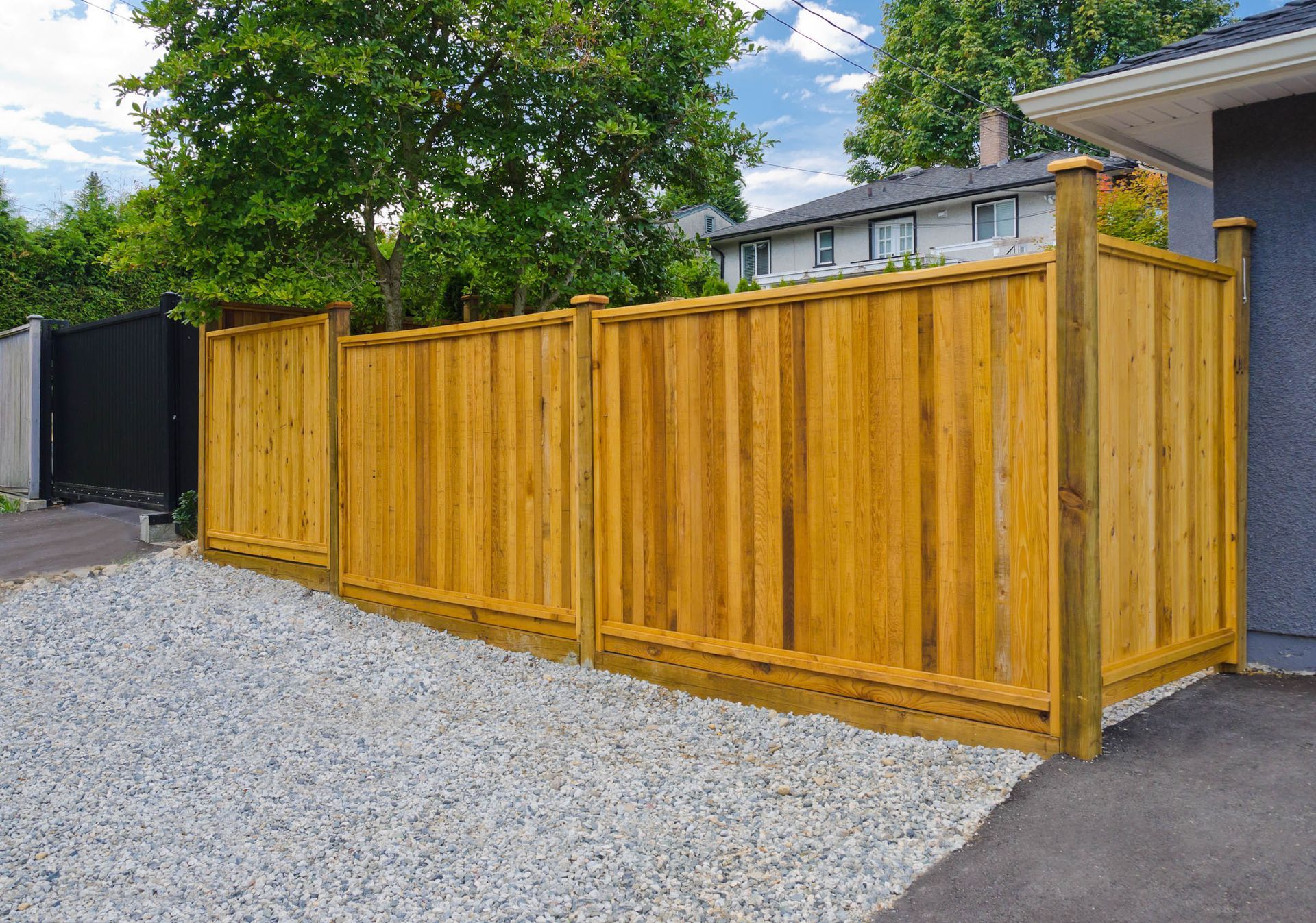
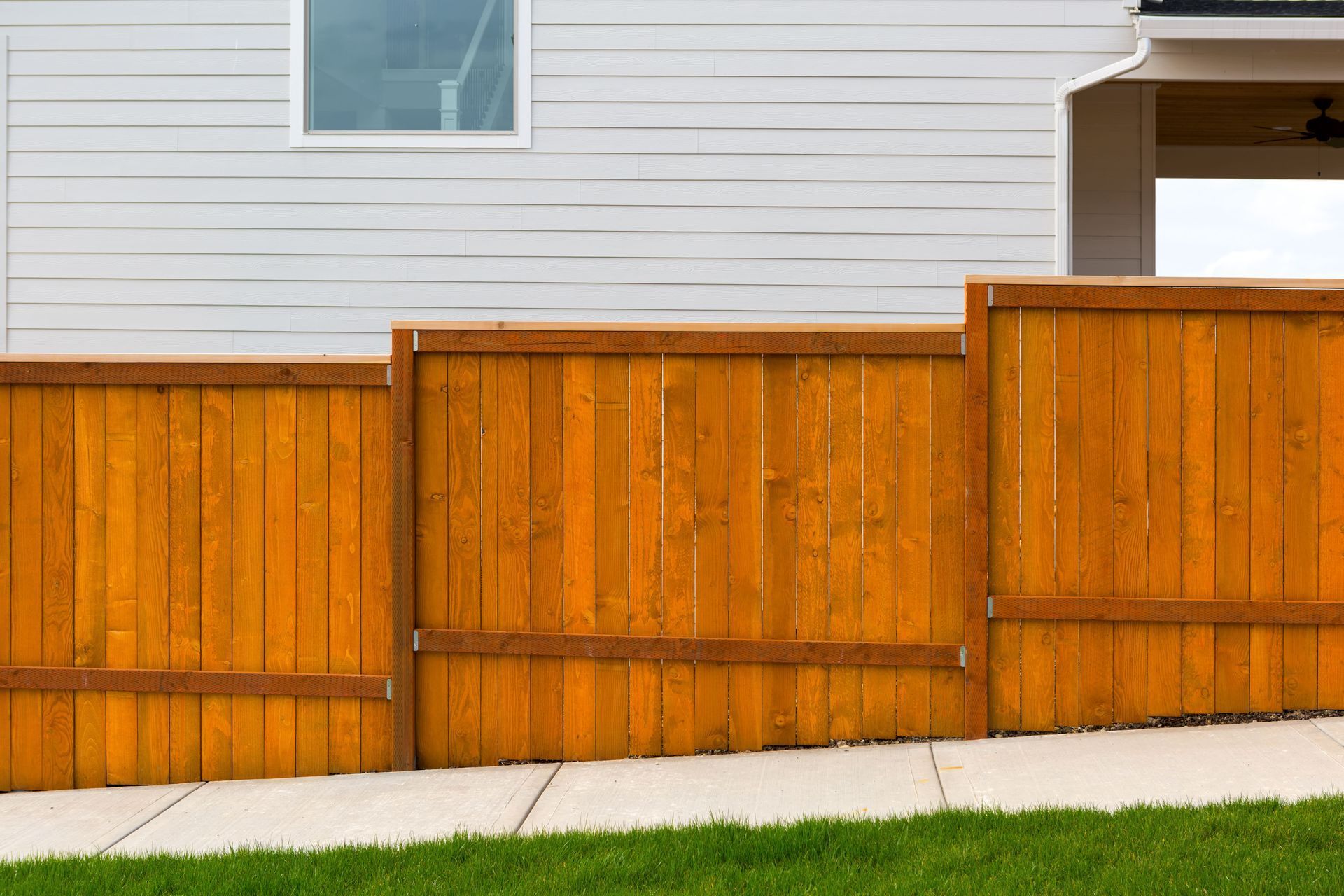
The lifecycle of a wood fence is more than a simple start-to-finish process; it is an ongoing relationship between materials, environment, and maintenance. Property owners who understand each phase can make better decisions that protect both appearance and long-term value. From initial planning to eventual replacement, every stage influences durability, cost, and curb appeal. Knowing what to expect helps you get the most out of your investment and avoid preventable issues.
Planning and Material Selection
The lifecycle of a wood fence begins with thoughtful planning and selecting the right materials for your property. Climate, soil conditions, and intended use all play a role in determining which wood species and design will perform best. Pressure-treated lumber, cedar, and redwood each offer different advantages in terms of durability and resistance to decay. Choosing wisely at this stage sets the tone for a successful fence installation and reduces the likelihood of early deterioration.
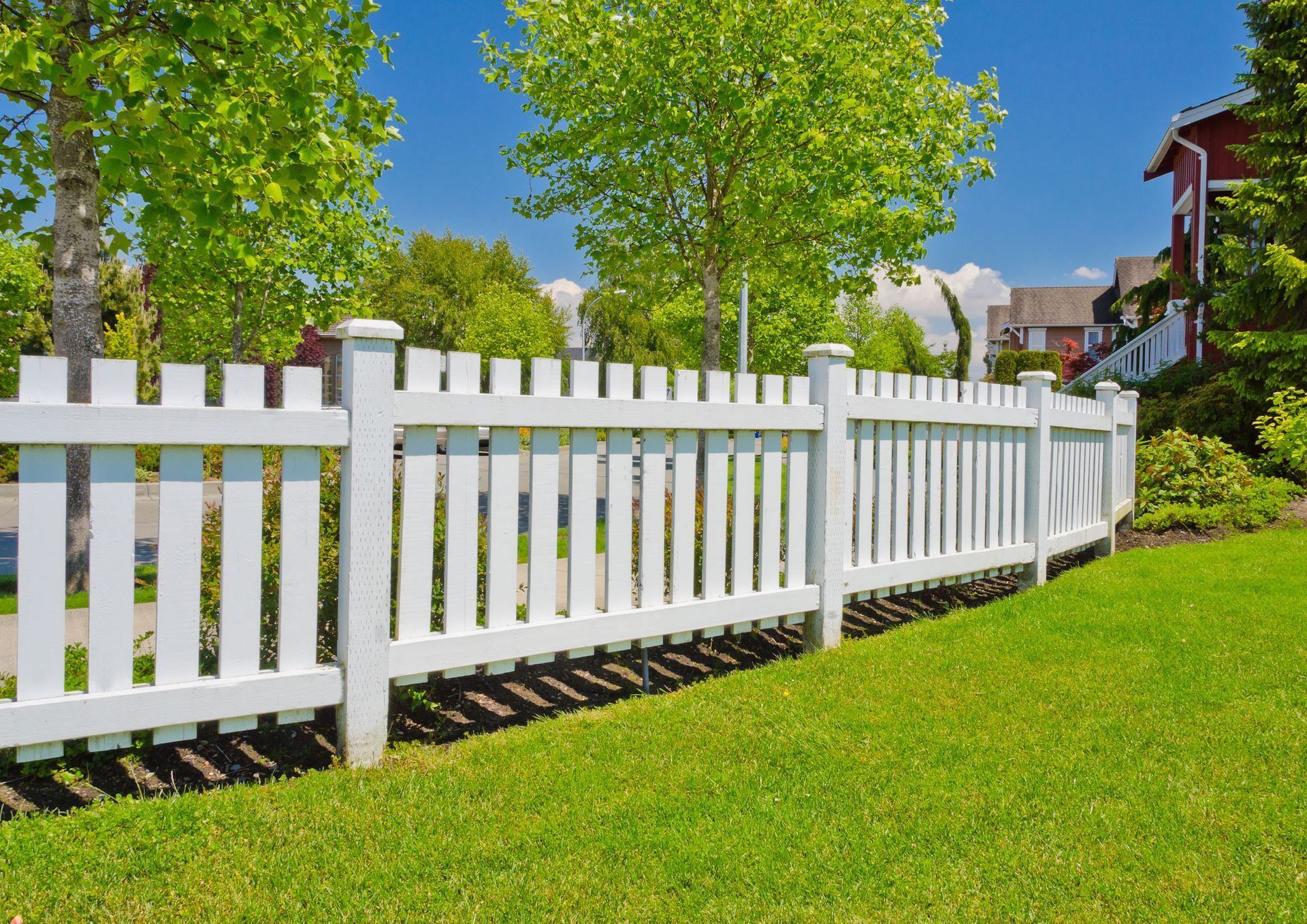
Design considerations also matter just as much as material choice. Privacy fences, decorative picket styles, and split rail options each have different structural demands and maintenance expectations. Property owners should think about height, spacing, and exposure to sun and moisture when finalizing plans. A well-informed approach ensures that your fence aligns with both aesthetic goals and functional needs.
Working with experienced professionals during planning can prevent costly missteps. They can assess grading, drainage, and boundary lines before construction begins. This level of preparation ensures that your fence is structurally sound from the ground up. Investing time up front leads to fewer repairs and a longer-lasting result.
Installation and Structural Integrity
Proper installation is the foundation of a wood fence’s lifespan. Even high-quality materials can fail prematurely if posts are not set correctly or if spacing is inconsistent. Depth, alignment, and anchoring all contribute to how well the fence withstands environmental stress. A precise fence installation ensures stability and reduces the risk of leaning or shifting over time.
Post placement is especially critical because it supports the entire structure. Poorly installed posts can lead to uneven panels and weakened sections that deteriorate faster. Attention to detail during installation helps distribute weight evenly and maintain a consistent appearance. This structural integrity is essential for long-term performance.
Fasteners, hardware, and construction techniques also influence durability. Using corrosion-resistant nails or screws helps prevent rust that can weaken connections. Proper spacing between boards allows for natural expansion and contraction due to weather changes. When every element of the fence installation is handled correctly, the result is a strong and reliable structure.
Weather Exposure and Natural Aging
Once installed, a wood fence begins to interact with its environment. Sunlight, moisture, wind, and temperature fluctuations all contribute to the natural aging process. Over time, wood may fade, crack, or warp as it responds to these external forces. Understanding this phase helps property owners recognize that some changes are normal.
Moisture is one of the most significant factors affecting a wood fence. Rain, humidity, and ground contact can lead to rot if the wood is not properly treated or maintained. Sun exposure, on the other hand, can dry out the wood and cause splitting or discoloration. Balancing protection against both elements is key to preserving the fence’s appearance and strength.
According to This Old House, a well-constructed wooden fence can last about 20 years. This lifespan depends heavily on how well the fence is protected from environmental stressors. Regular care and timely interventions can extend usability and delay the need for replacement. Recognizing the signs of aging early allows for proactive maintenance.
Maintenance and Preventive Care
Maintenance is the most influential factor in extending the life of a wood fence. Routine inspections help identify minor issues before they develop into larger problems. Cleaning, sealing, and staining protect the wood from moisture and ultraviolet damage. Consistent upkeep ensures that your fence installation continues to perform as intended.
Sealing and staining should be done with products designed specifically for outdoor wood structures. These treatments create a barrier that slows down water absorption and reduces the effects of sun exposure. Reapplying protective coatings as needed keeps the fence looking fresh while reinforcing its durability. Preventive care is far more cost-effective than major repairs.
Vegetation control is another important aspect of maintenance. Plants growing too close to the fence can trap moisture and accelerate decay. Keeping the surrounding area clear allows for proper airflow and reduces the risk of damage. A well-maintained environment supports the longevity of your fence installation.
Repairs and Midlife Improvements
As a wood fence ages, repairs become a natural part of its lifecycle. Boards may loosen, posts can shift, and sections might require reinforcement. Addressing these issues promptly prevents further deterioration and maintains the overall integrity of the structure. Timely repairs help extend the functional life of the fence. Regular maintenance checks can preemptively identify problems before they escalate into more extensive damage.
Replacing damaged boards is one of the most common repair tasks. Matching the new wood to the existing structure ensures a cohesive appearance. Reinforcing weak areas with additional support can also improve stability. These midlife improvements keep the fence performing well without requiring a full replacement. Using high-quality materials for repairs ensures longevity and consistent performance.
Hardware upgrades can also enhance durability during this phase. Swapping out older fasteners for more resilient options reduces the risk of future failures. Strengthening connections and addressing wear points ensures that the fence installation remains secure. Small improvements can make a significant difference in overall performance. Investing in quality hardware now reduces maintenance costs in the long run.
Replacement and Long-Term Planning
Eventually, every wood fence reaches the end of its useful life. When repairs become frequent or structural issues compromise safety, replacement is the most practical option. Recognizing this stage allows property owners to plan and avoid unexpected disruptions. A new fence provides an opportunity to upgrade materials and design.
Planning for replacement involves evaluating what worked well and what could be improved. Property owners can choose more durable wood options or explore design changes that better suit their needs. Advances in treatment methods and construction techniques offer improved longevity. Taking a strategic approach ensures that the next fence performs even better.
Budgeting for replacement is also an important consideration. Setting aside resources over time makes the transition smoother when the time comes. A well-planned fence installation minimizes downtime and maintains property value. Viewing replacement as part of the lifecycle helps property owners stay prepared.
A wood fence is not a static feature; it evolves through each stage of its lifecycle. From careful planning and precise installation to ongoing maintenance and eventual replacement, every phase requires attention and care. Property owners who understand these stages can make informed decisions that protect their investment. With the right approach, a wood fence can remain a functional and attractive asset for years to come.
If you’re looking to maximize the lifespan and performance of your fence, working with experienced professionals makes all the difference. At RKC Wood Care Pros, we take a comprehensive approach to every project, from initial fence installation to long-term maintenance strategies. Our team focuses on quality craftsmanship, durable materials, and tailored solutions that meet your property’s unique needs. Contact us today to ensure your wood fence stands strong through every stage of its lifecycle.