Skip to content
Chain Link Fence Installation in Kansas City

Chain Link Fence Installation in Kansas City

Wrong-gauge chain link sags within three years. RKC is the Kansas City fence contractor that specifies chain link to the job — 9-gauge galvanized or black vinyl-coated for residential and HOA, 6-gauge commercial for schools, storage yards, and apartment perimeters. Every post set 36 inches deep in concrete, every terminal trussed and braced, every permit pulled before the crew shows up.

★★★★★
4.9
from 77+ reviews
Licensed
& Insured · KS + MO
400+
fences installed
A+ BBB Rated Licensed KS + MO Commercial Grade Available Free On-Site Estimates
Browse fence styles in our catalog ↓
Why homeowners choose chain link

Chain Link That Actually Looks Good Doing Its Job

Chain link gets a bad rap because most installs are done on the cheap — wrong gauge, loose fabric, exposed cuts rusting by year three. Specified right, it's still the best-value perimeter fence in the KC metro — and the one your dog, your kids, and your budget will all thank you for.

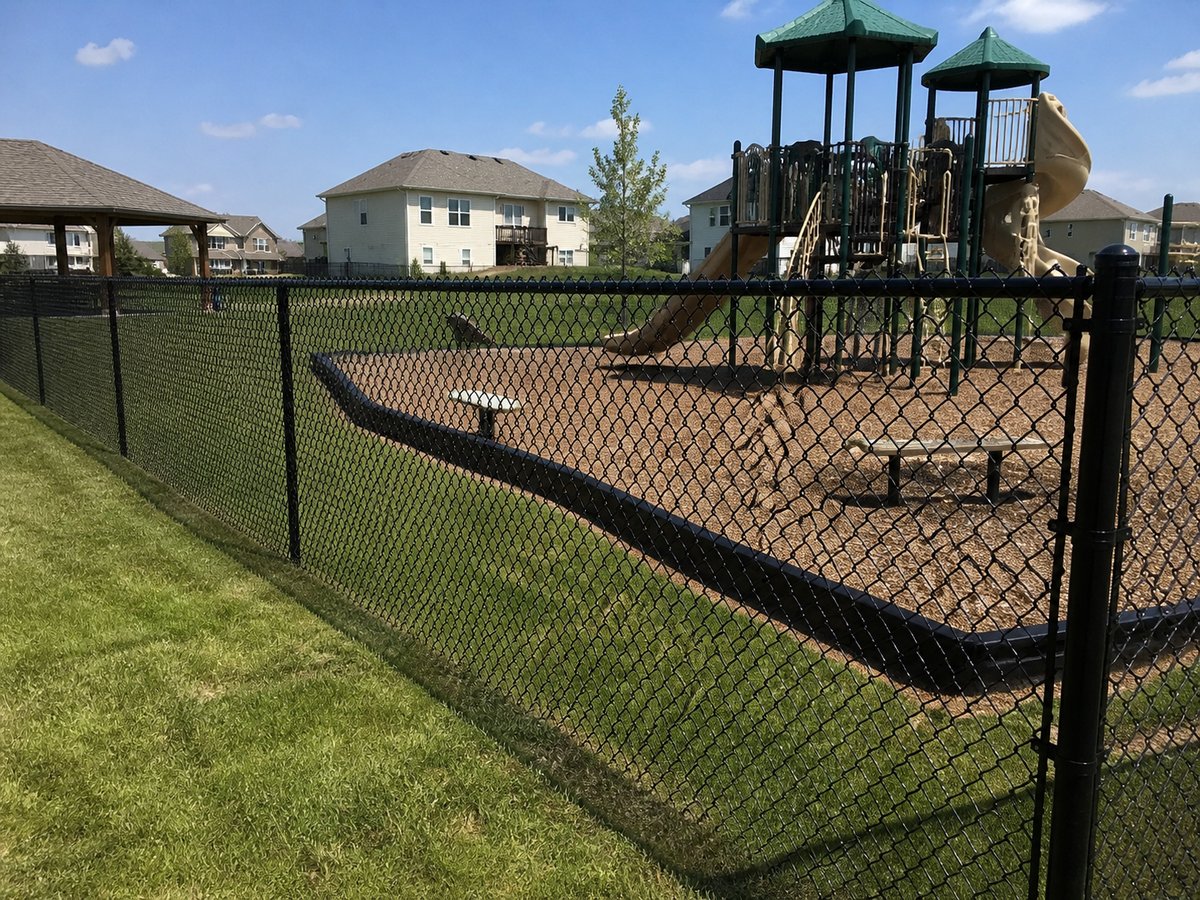
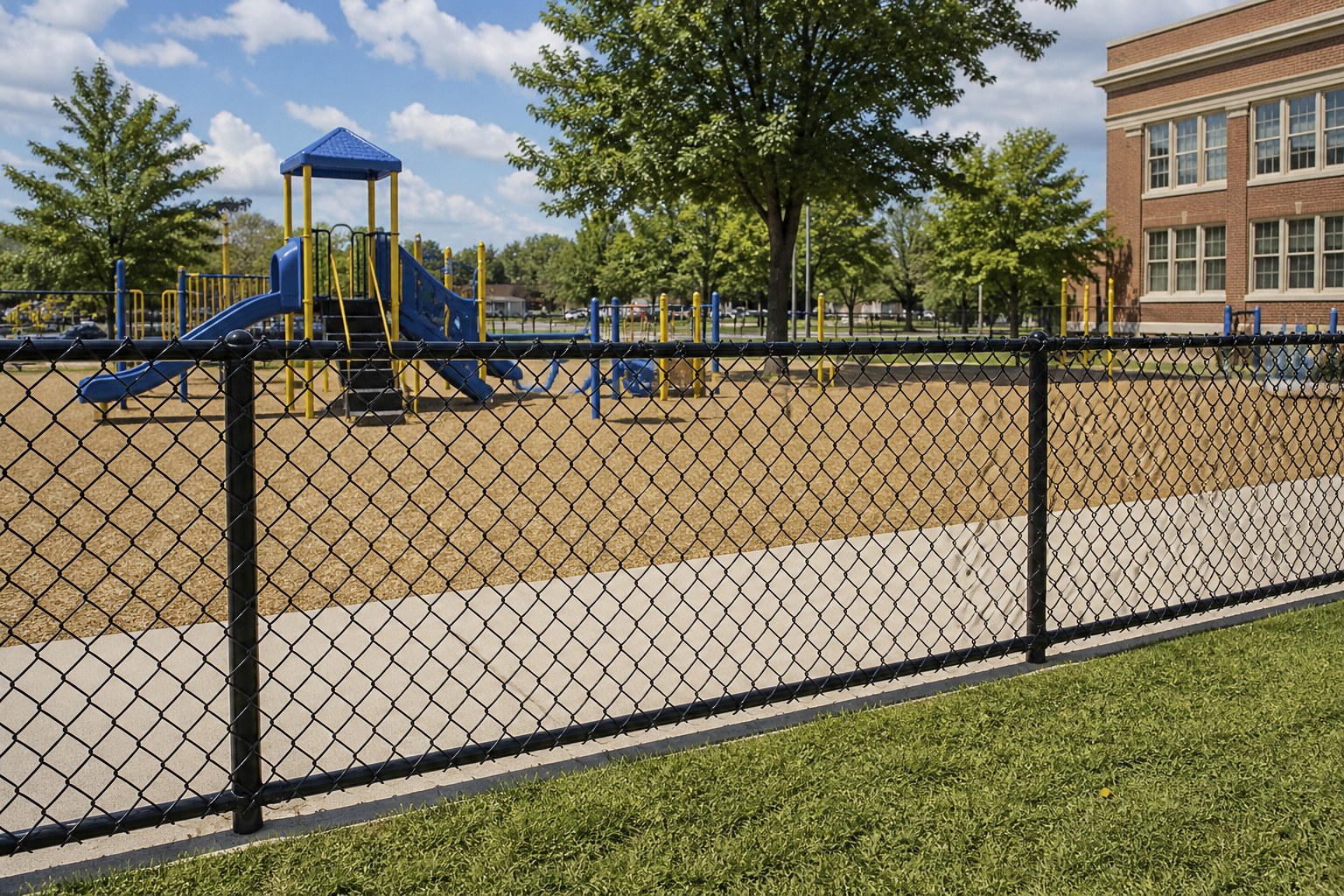
Black vinyl-coated chain link fence around a suburban playground in Kansas City — RKC Wood Care Pros

A backyard your dog can finally have

No more short leashes across the patio or hovering by the sliding door. 9-gauge residential chain link turns your whole yard into a dog run — they see the neighborhood, you see them from the kitchen window, and nobody's squeezing through a gap.
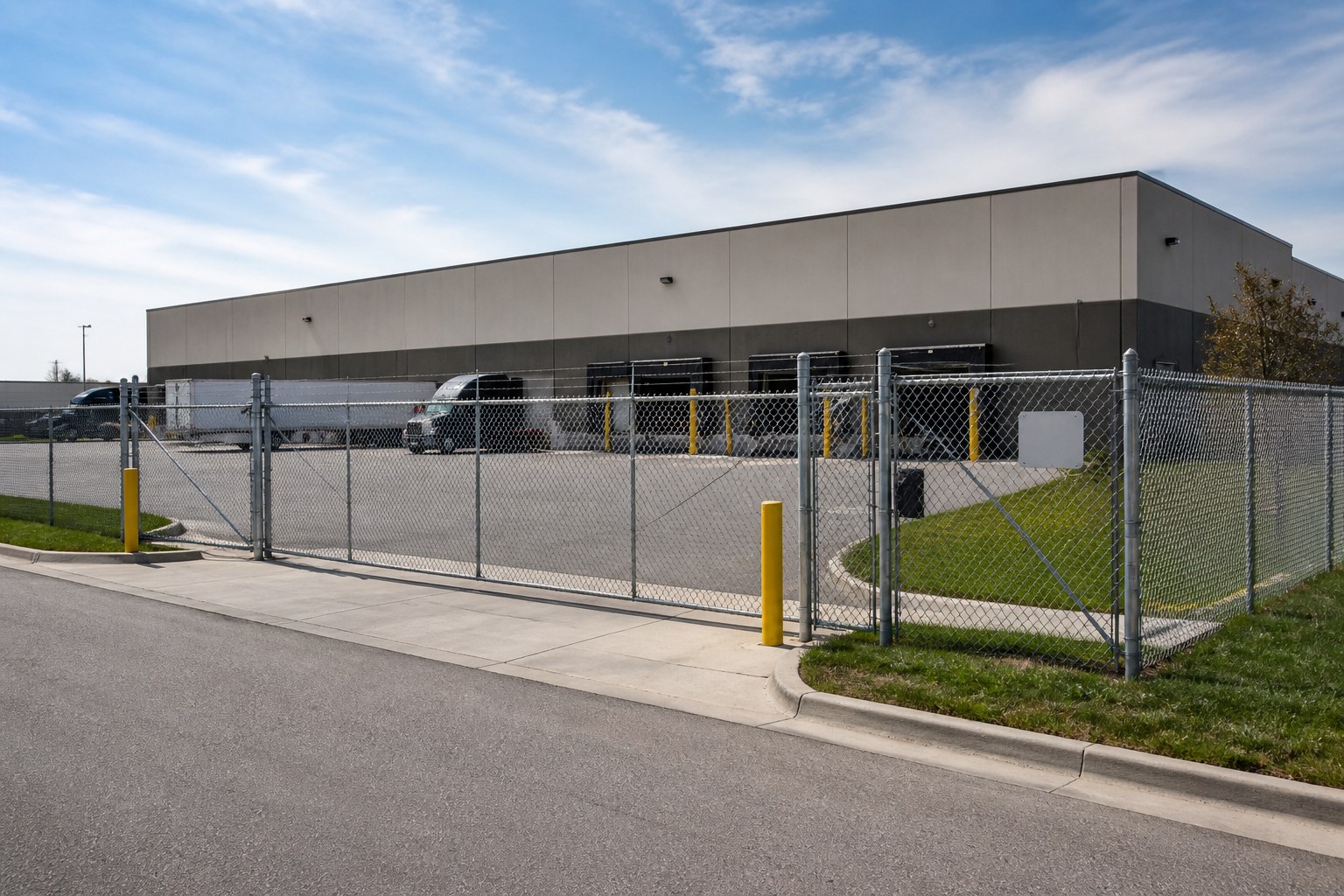
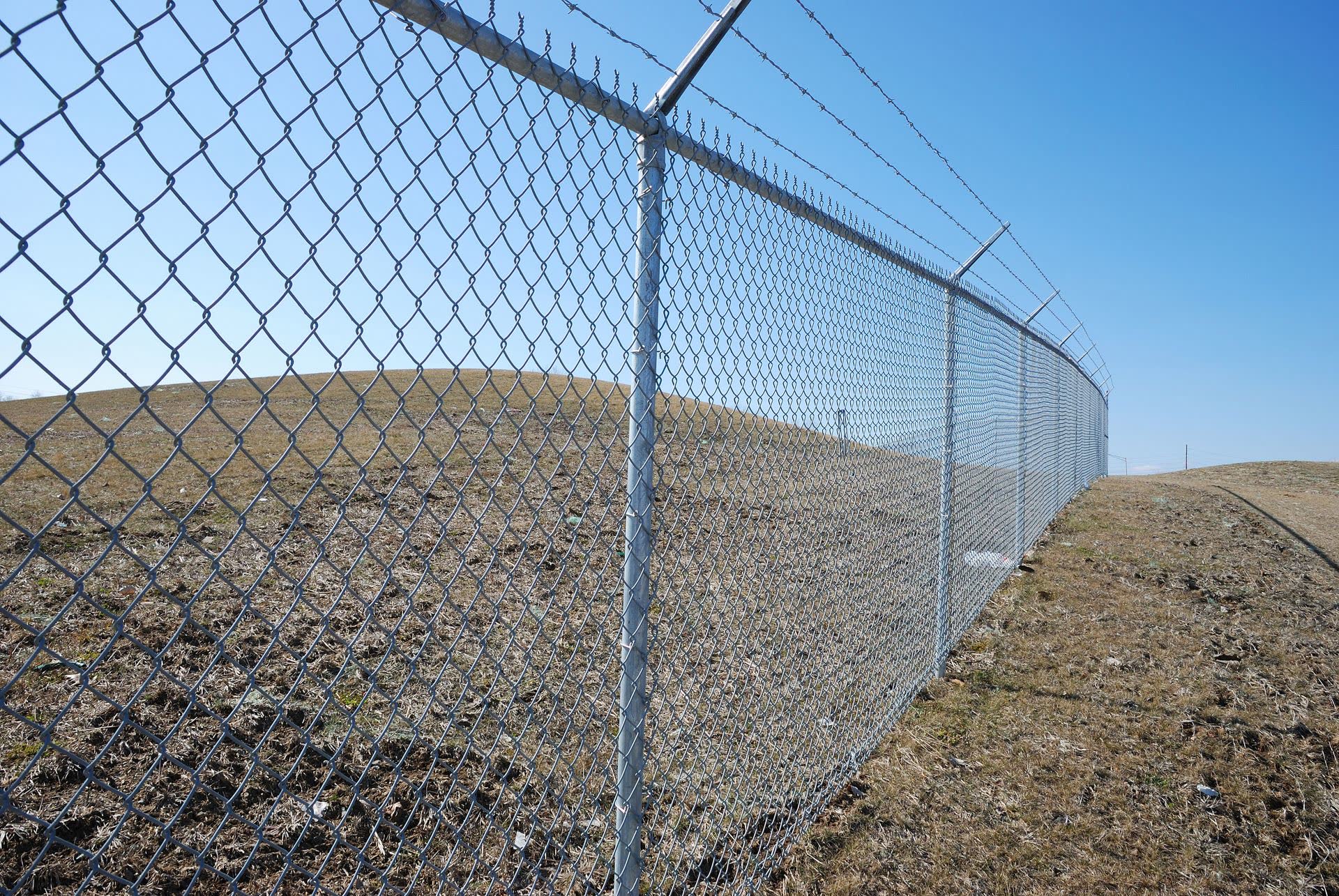
Galvanized chain link commercial perimeter with slide gate at a Kansas City warehouse — RKC Wood Care Pros

A property line that doesn't break the budget

Sometimes you just need to mark where your yard ends — not build a wall around it. Galvanized chain link runs a clean, durable line for a third of what wood or vinyl would cost, and it's still in the ground 20 years from now.

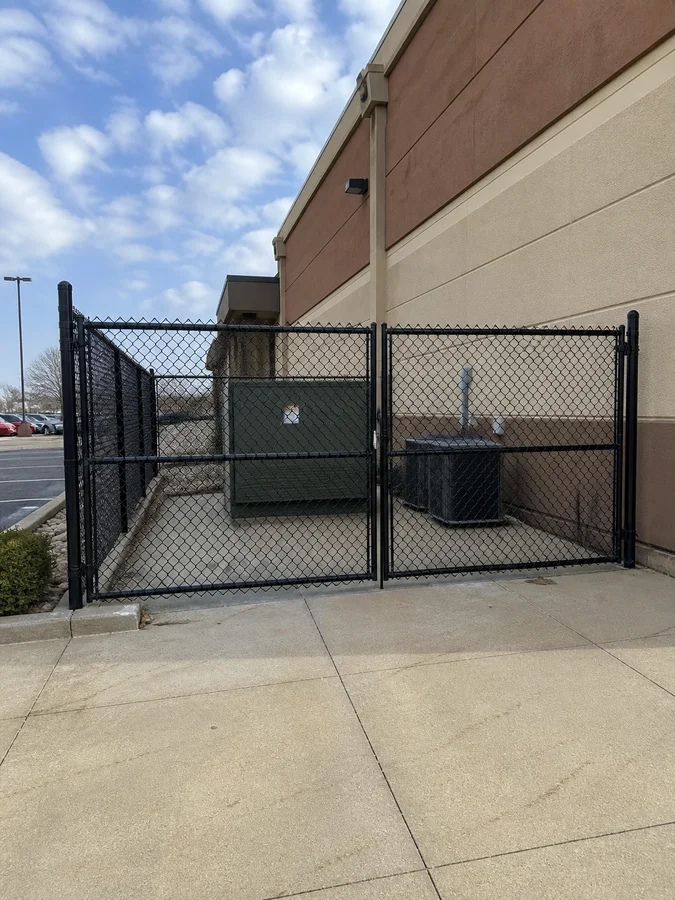
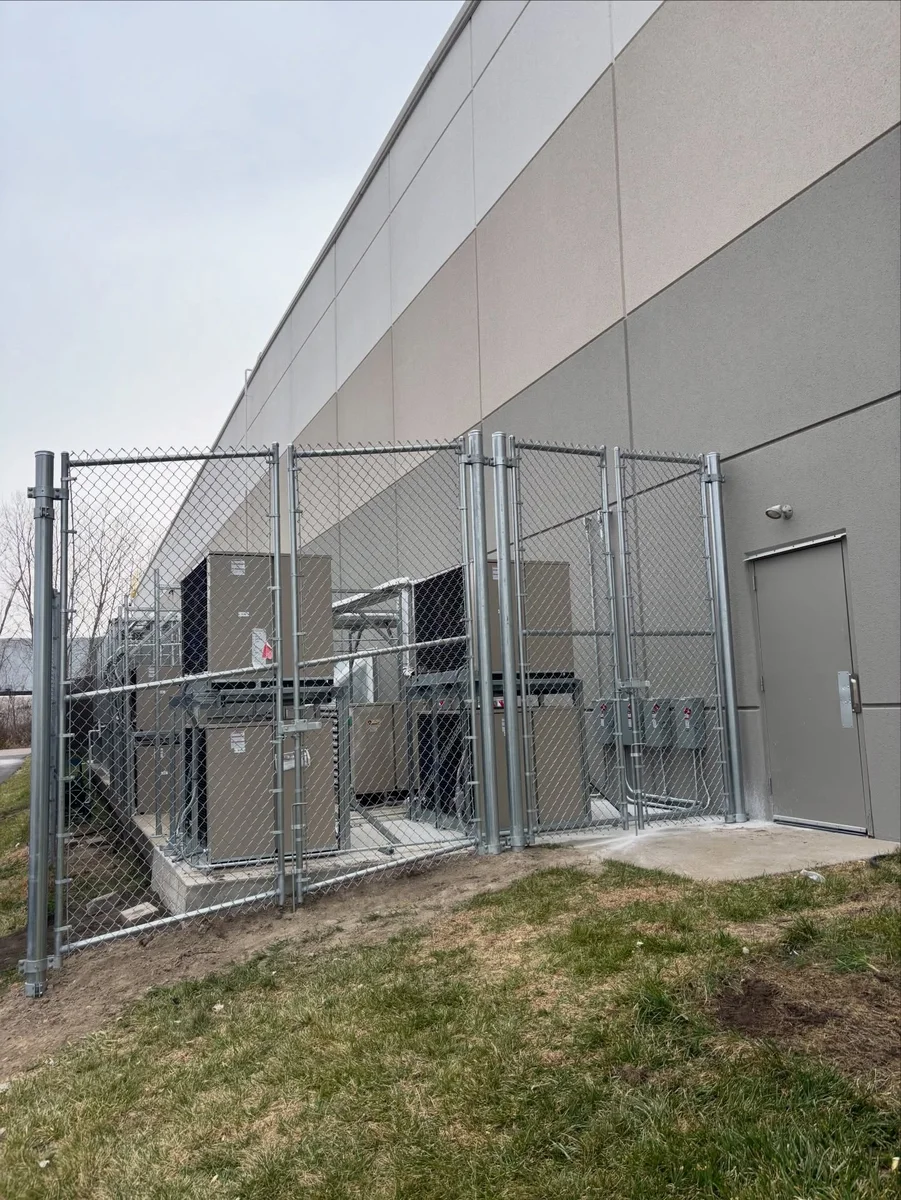
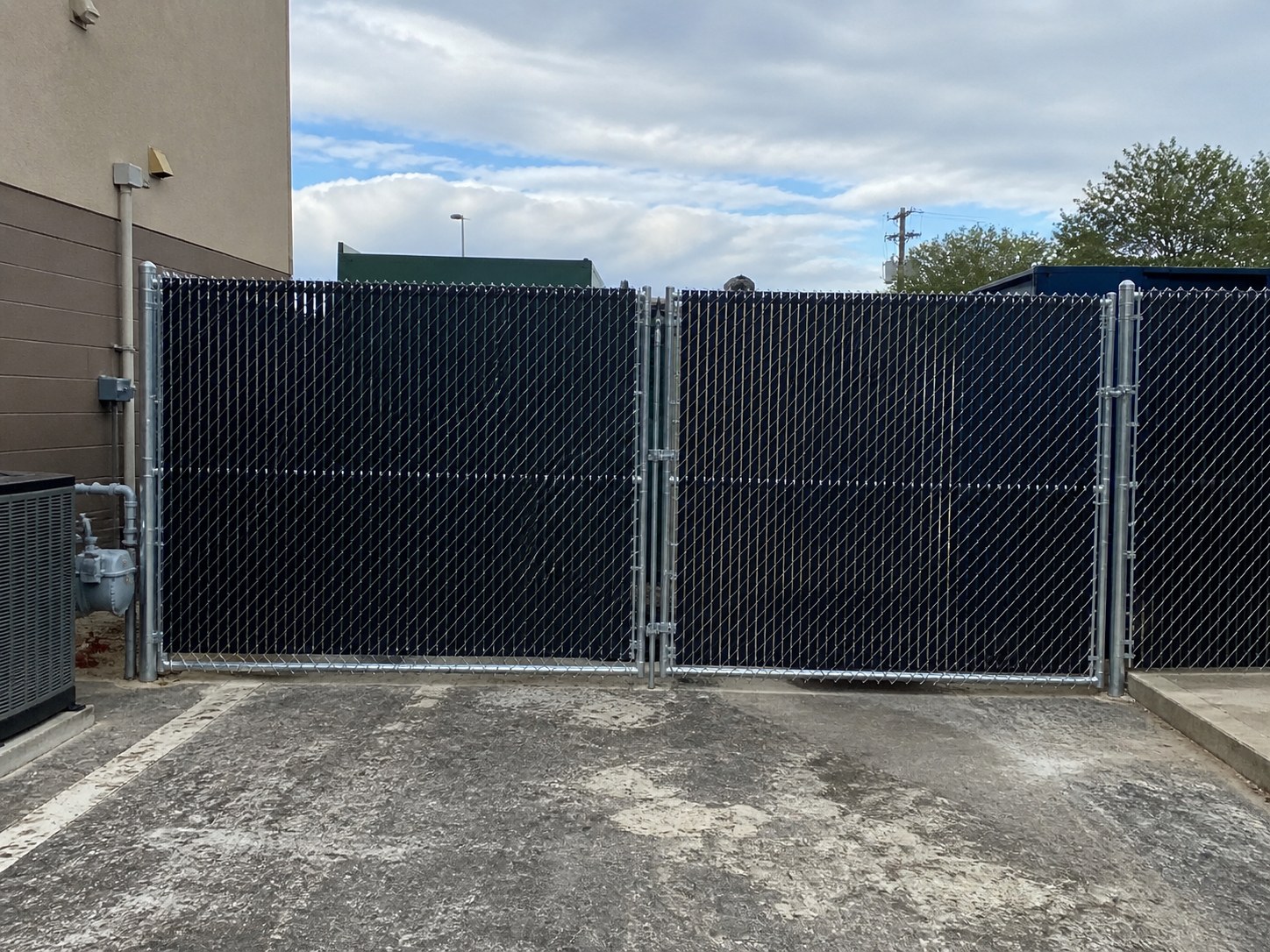
Chain link fence with dark privacy slats and double gate at a Kansas City commercial property — RKC Wood Care Pros

Commercial perimeter that holds up to daily contact

Forklifts brush it. Delivery trucks back against it. Wind catches 10 feet of fabric like a sail. Our 6-gauge commercial installs use truss-rod bracing and schedule-40 posts so the line stays plumb through every shift change, storm, and snow plow pass.

Galvanized chain link residential fence with walk gate in a Kansas City backyard — RKC Wood Care Pros

Vinyl-coated chain link that doesn't scream "chain link"

Black vinyl-coated fabric disappears against shrubs and tree lines the way raw galvanized never will. HOAs approve it, neighbors stop noticing it, and the coating keeps the steel dry — which is why you still see color at year fifteen instead of rust streaks.

CHAIN LINK CATALOG

What Will Actually Pass — Commercial-Grade Options Inspectors Approve

Most chain link questions aren't about the fabric — they're about whether this spec passes code for your application. Browse our commercial-grade catalog below: heavy-wall posts, 6-gauge fabric, truss-rod bracing, and razor or privacy-slat upgrades. For residential 9-gauge galvanized and vinyl-coated, call for an on-site spec — those installs ship from stock.

Select a style above to see colors and details

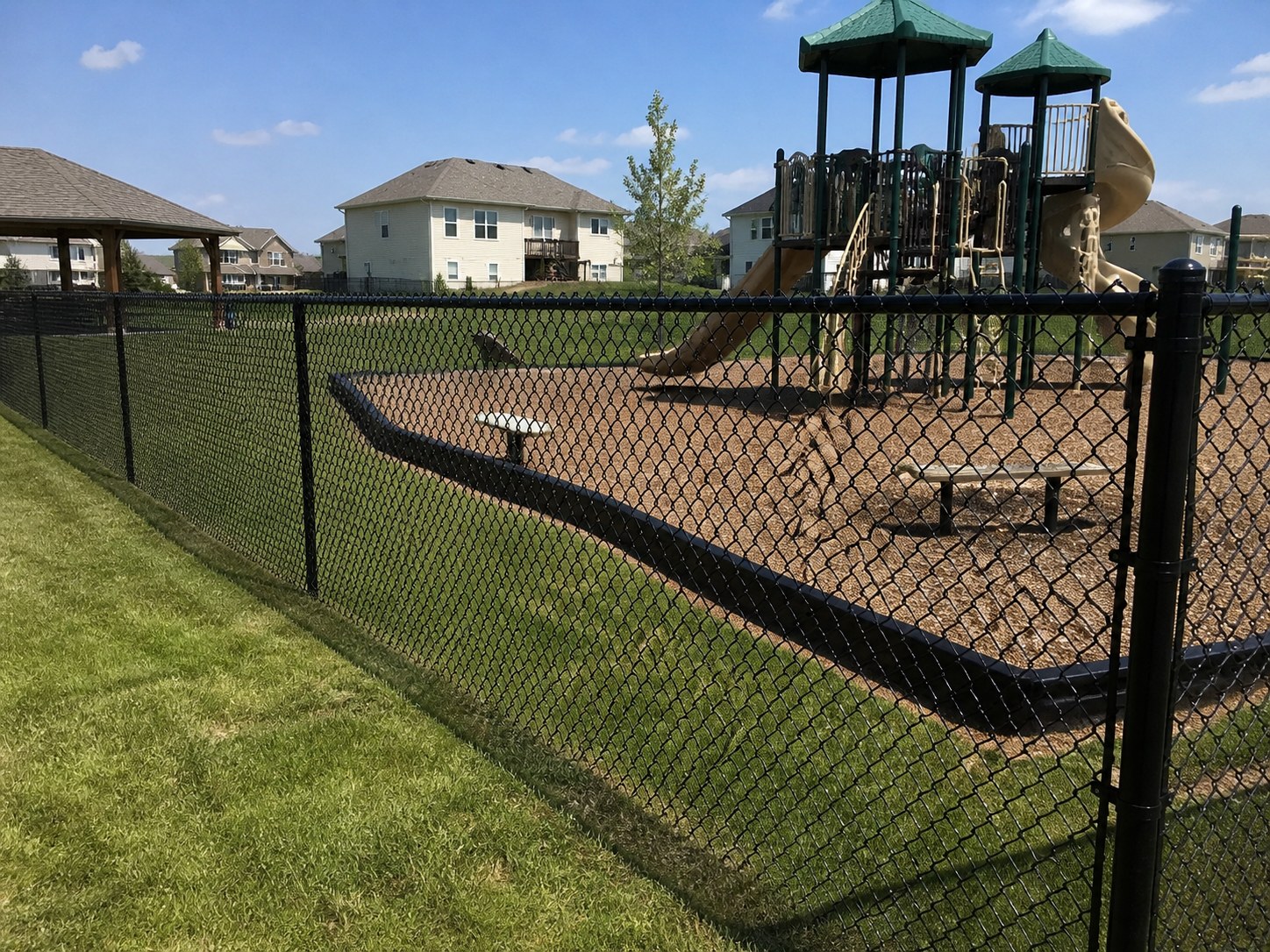
Black vinyl-coated chain link fence around a suburban playground in Kansas City — RKC Wood Care Pros

WHY CHAIN LINK SOMETIMES FAILS CODE OR FAILS EARLY

The Gauge Decision That Shortens Commercial Chain Link to Year Three

Most chain link failures in Kansas City trace back to one decision: a residential gauge specced for a commercial application. 9-gauge fabric on a storage yard tends to sag. 11-gauge on a school perimeter can buckle. No truss rods means terminal posts lean inward within a year. These aren't wear-and-tear problems — they're spec problems.

  1. 1.
    Wrong gauge for the use case. 11-gauge residential light specced for a commercial perimeter to hit the price point tends to sag under snow load or get cut through in a season. Schools, storage yards, and apartment complexes need 6-gauge schedule 40 minimum. A low bid sometimes quotes 9-gauge to win the job, and the fence can fail the first inspection.
  2. 2.
    No truss rods at terminal posts. Every corner, end, and gate post needs a diagonal brace rail and a truss rod with turnbuckle tensioning. Skip it and the fabric pulls the terminals inward. Gates stop latching. Fabric bellies out. A small install shortcut tends to become a big problem by year two.
  3. 3.
    Field cuts on vinyl-coated fence not sealed. Black-coated chain link looks great — until a field-cut leaves exposed steel strands. Those tend to rust through the coating within a couple winters. RKC caps every field cut with matching vinyl shrink sleeves or uses factory-terminated lengths only.
See our six chain link installation standards →

INSTALLATION STANDARDS

The Six Standards That Make an RKC Chain Link Fence Pass Code and Last Decades

Every chain link fence RKC installs follows the same six standards — residential through commercial, 9-gauge through 6-gauge. These aren't upsells. They're the baseline — skip any of them and the fence tends to fail code at first inspection or fail structurally within a few seasons.

RKC Wood Care Pros installing galvanized chain link with 36-inch post depth and truss-rod bracing in Kansas City
Every chain link post set 36 inches deep in poured concrete — with schedule-40 posts on commercial installs and truss-rod bracing at every terminal.
  1. 1

    Tension wire and top rail specified by fabric height

    Every 4-foot and taller chain link install gets a 1⅝-inch top rail in galvanized or powder-coated steel, plus a 9-gauge bottom tension wire running post-to-post. Without both, the fabric billows in wind and pulls the posts out of plumb within a single KC storm season.

  2. 2

    36 inches minimum post depth, set in concrete

    Every line post, terminal post, and gate post goes 36 inches deep in poured concrete — below the KC frost line. Terminal and corner posts get 12-inch-diameter holes; line posts get 10-inch. Commercial 6-gauge installs run on 10-foot centers with stiffer terminal posts.

  3. 3

    Gauge matched to intended use — no wrong-gauge installs

    9-gauge galvanized or vinyl-coated for residential dog runs, pool-yard perimeters, and HOA-approved backyards. 11-gauge residential-light only on budget temporary installs. 6-gauge for commercial, school, storage-yard, and apartment-complex perimeters. We spec gauge to application — never undersell to win the quote.

  4. 4

    Vinyl coating continuity — no exposed field-cut steel

    When we install vinyl-coated (black, green, or brown) chain link, every cut is factory-terminated or sealed with matching vinyl shrink sleeves. Exposed field-cut wire strands rust within two winters and telegraph orange streaks down the fabric. RKC inspects every coated line at walkthrough.

  5. 5

    Terminal post bracing and truss-rod assembly

    Every terminal post (corners, ends, gates) gets a full diagonal brace rail and a truss rod with turnbuckle tensioning. Skip the truss and the fabric pulls the terminals inward over time — a slow failure most installers don't fix until the gate stops latching. We tension at install and document the spec on the invoice.

  6. 6

    Final walkthrough before the invoice is due

    We walk every foot of fence line with you. Knuckle-twist selvage on top (safer than barbed for residential), tension wire tight, fabric plumb, gates swinging cleanly with proper fork latch engagement. You sign off before the final balance is due.

RKC installs and repairs every type of fence — wood, vinyl, chain link, ornamental iron, aluminum, and commercial security — plus gates, automatic openers, and in-house staining. The six standards above apply to every chain link fence we build; material-specific standards apply to the rest.

GAUGE COMPARISON

Which Chain Link Gauge — Matched to Your Application

The gauge is what the fence is. Everything else follows. Here's the side-by-side on all four common chain link specs across the KC metro — residential through razor-topped commercial. Pick by application, not by the lowest number on the quote.

Factor 9-Gauge Residential 11-Gauge Residential Light 6-Gauge Commercial 6-Gauge + Razor
Fabric gauge 9-gauge galv / vinyl-coated 11-gauge galv light 6-gauge galvanized 6-gauge + razor top
Installed cost per LF $10–$18 $8–$12 $18–$28 $24–$36
Expected lifespan (KC) 15–25 years 7–12 years 25–40 years 25–40 years
Typical use case Residential, pool, dog run Temporary, budget Commercial perimeter Storage, utility, school
Standard height range 4–6 ft 4 ft only 6–10 ft 8–10 ft + 18" razor
Code-compliant for Residential + HOA (coated) Temp only Commercial, school, MF Industrial, storage
HOA-friendly Yes — black vinyl-coated Rarely approved Rarely — too industrial Never approved
Try the Cost Estimator →

WHAT CHAIN LINK CUSTOMERS SAY

Reviews from KC Homeowners and Commercial Property Managers Who Hired RKC for Chain Link Installation

Commercial perimeters, residential dog runs, pool-code installs, and school upgrades — the reviews cover every gauge we install. Here are nine customers who needed the fence to pass a specific code or requirement. Full archive on Google.

★★★★★
“Needed a commercial-rated fence around our storage lot. RKC specified 6-gauge with razor top and every corner had a truss rod and brace rail. Passed the city inspection on the first walk-through.”
Marcus D. Kansas City, MO
Commercial 6-Gauge + Razor
★★★★★
“RKC installed black vinyl-coated chain link around our pool yard. HOA approved it the first submittal because they matched the color exactly and the height was spot-on with the pool code. Looks clean from the house and the kids can't squeeze through.”
Rachel P. Leawood, KS
9-Gauge Vinyl-Coated
★★★★★
“Chain link for our dog run — 6 feet tall, 9-gauge galvanized, posts set in concrete. Other guys quoted us 11-gauge and said it was the same. It's not. Our dogs test it every day and it hasn't budged.”
Brian T. Olathe, KS
Residential 9-Gauge
★★★★★
“Our apartment complex needed 800 feet of commercial perimeter. RKC pulled the permit, handled the locates, and installed it in four days with zero disruption to the tenants. 6-gauge with privacy slats exactly as specced.”
Jennifer L. Independence, MO
Commercial Perimeter
★★★★★
“They replaced a rusty old chain link around our school's playground. New install is 6-gauge galvanized with knuckle-twist selvage — safer than the old barbed top we had. Passed the district's compliance check first time.”
Tom W. Shawnee, KS
School Perimeter
★★★★★
“Josh came out personally, walked our property, and specified what would actually meet the pool fence code requirement. Other companies quoted whatever was on their truck. RKC quoted what the inspector would approve.”
Angela K. Overland Park, KS
Pool-Code Chain Link
★★★★★
“Commercial install for our auto lot. RKC installed 8-foot 6-gauge with privacy slats and gates that swing square. Every terminal post had a truss rod. The previous company skipped those and the gates sagged in six months.”
Carlos R. Grandview, MO
Auto Lot Perimeter
★★★★★
“Got three quotes for a residential chain link yard. RKC was the only one that asked what the fence was for before quoting. Ended up with 9-gauge vinyl-coated, 5-feet, with a double-drive gate. Two days, done right.”
Lauren H. Lenexa, KS
Residential Vinyl-Coated
★★★★★
“Replaced 340 feet of sagging chain link at our warehouse. RKC pulled every bent post, re-set them 36 inches deep in concrete, and re-stretched the fabric. Brace rails and truss rods everywhere they belonged. Solid work.”
David M. Lee's Summit, MO
Commercial Replacement

Read all 77+ reviews on Google →

CHAIN LINK PRICING

What Chain Link Fence Installation Costs in Kansas City

Typical installed prices across the KC metro — materials, labor, concrete footings, truss-rod bracing, permits, and cleanup included. Prices assume standard terrain and no specialty gate automation. Use the cost estimator for a project-specific range in 30 seconds, or call for a free on-site estimate.

MOST POPULAR

Residential 9-Gauge Galvanized (4–6 ft)

$10–$18 / LF installed

Included: 9-gauge fabric, galvanized posts/rails, 36" post depth, tension wire, permits, cleanup

Changes price: Fabric height, gate count, privacy slat add-on, old fence removal

HOA APPROVED

Residential 9-Gauge Vinyl-Coated (4–6 ft)

$14–$22 / LF installed

Included: Black, green, or brown vinyl-coated fabric, coated posts/rails, 36" post depth, sealed cuts, permits

Changes price: Color premium, height, privacy slats, gate automation

COMMERCIAL

Commercial 6-Gauge Galvanized (6–10 ft)

$18–$28 / LF installed

Included: 6-gauge fabric, heavy-wall schedule 40 posts, truss-rod bracing, 36" post depth, permits

Changes price: Fabric height (8 vs 10 ft), gate hardware, bottom rail vs tension wire

SCHOOL / STORAGE

Commercial 6-Gauge + Privacy Slats

$24–$36 / LF installed

Included: Commercial 6-gauge, UV-stabilized HDPE privacy slats, truss-rod bracing, 36" post depth

Changes price: Slat style (bottom-lock vs top-lock), color, height, gate packages

Try the Cost Estimator →

HOW IT WORKS

From First Call to Code-Passing Chain Link Fence in 1–5 Days

Residential installs typically run 1–2 days on-site. Commercial perimeters run 2–5 days depending on linear footage and gate packages. The full timeline from your first call to a finished fence with every terminal trussed and every gate swinging square runs 2–4 weeks including permit turnaround.

  1. 1

    Call or Request a Quote

    Call (913) 286-1091 or fill out the form. We discuss application, perimeter length, and code requirements. Typical response: same business day.

  2. 2

    On-Site Measure + Gauge Spec

    We walk the property, confirm intended use (residential, commercial, HOA, school, pool), and spec the right gauge, height, and gate package. Written estimate within 3–5 business days with every line itemized.

  3. 3

    Permit, 811 Locate, Install

    We pull the fence permit, schedule the 811 utility locate, and install — typically 1–2 days for residential, 2–5 days for commercial perimeters. Posts first, concrete cures, fabric stretches and ties on.

  4. 4

    Tension Check + Walkthrough

    We tension every span, check every truss rod, swing every gate, and walk the line with you. No final invoice until you sign off on plumb posts, tight fabric, and working gates.

OUR SERVICE AREA

Chain Link Fence Installation Across the Entire Kansas City Metro

We install chain link fences across 56 KC metro cities — both sides of the state line. From Johnson County dog runs and pool yards to industrial KCMO perimeters, we know the permit office, the HOA rules, and the zoning setbacks in every jurisdiction we work.

Kansas

Johnson County is home base for residential chain link. Bonner Springs , Gardner , Leawood , Lenexa , Mission , Olathe , Overland Park , Prairie Village , Shawnee , Spring Hill . We handle permit applications, 811 utility locates, HOA architectural review, and pool-code compliance in every city.

Missouri

Commercial perimeters and industrial installs across KCMO and the Northland. Belton , Blue Springs , Grain Valley , Grandview , Greenwood , Independence , Kansas City , Lee's Summit , Liberty , Oak Grove , Peculiar , Pleasant Hill , Raymore , Smithville . We handle KCMO's CompassKC portal and commercial zoning review across Jackson, Clay, and Platte counties.

CHAIN LINK QUESTIONS

Every Chain Link Question KC Property Owners Ask — Answered Straight

Common chain link questions that come up most often on residential and commercial estimates. If yours isn't here, call (913) 286-1091.

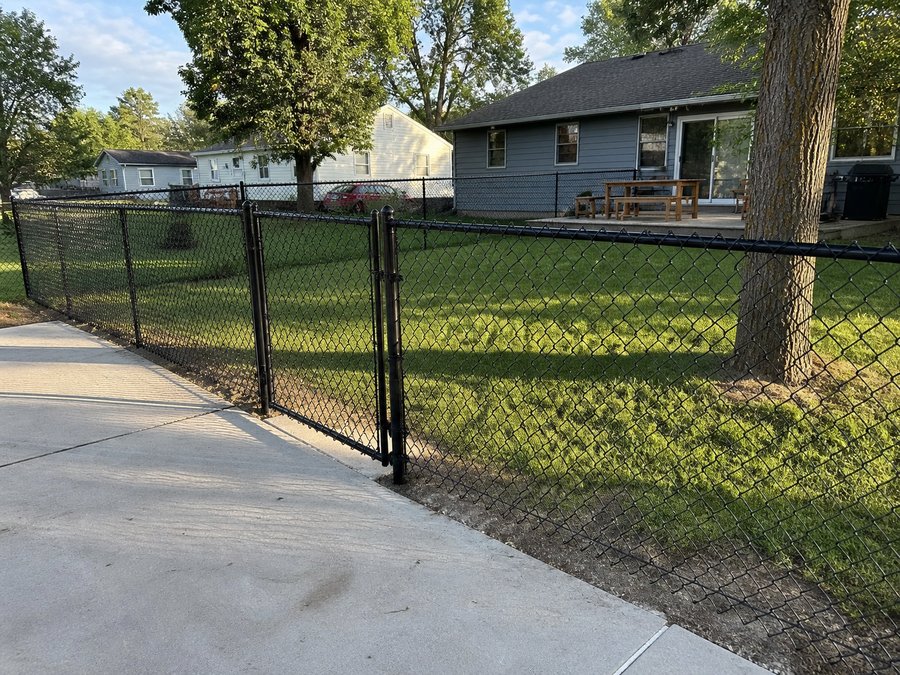
Black vinyl-coated residential chain link fence with walk gate in a Kansas City neighborhood — RKC Wood Care Pros

Gauges & Materials

What's the difference between 9-gauge and 6-gauge chain link?
9-gauge is thicker wire with a ~0.148-inch diameter — the standard for residential and light-commercial installs. 6-gauge is significantly heavier at ~0.192-inch diameter and is the standard spec for commercial perimeters, schools, storage yards, and apartment complexes. 6-gauge costs roughly 60% more installed but lasts 25–40 years vs 15–25 for 9-gauge. 11-gauge (residential light) is cheaper but flimsy — we only spec it for temporary installs.
What's the difference between galvanized and vinyl-coated chain link?
Galvanized is hot-dipped zinc-plated steel in the standard silver finish. Vinyl-coated (PVC) is galvanized steel with a bonded black, green, or brown PVC outer layer. Vinyl-coated runs 20–30% more per linear foot, looks dramatically better, blends into landscaping, and gets past HOA architectural review boards that reject raw galvanized. Both last 15–25 years when installed correctly. The vinyl doesn't fail before the steel does — it just needs the field cuts sealed so the inner wire doesn't rust.
Can I get privacy on a chain link fence?
Yes, through privacy slats. We install UV-stabilized HDPE slats in bottom-lock or top-lock styles (top-lock holds better against kids and wind). They come in green, brown, black, beige, and gray and block roughly 75–90% of sight-lines. For storage yards and schools, slats are the standard upgrade. For residential, most homeowners step up to wood or vinyl when true privacy is the goal — slats are a budget solution, not a wood-fence substitute.
Do you install barbed wire or razor ribbon on top of chain link?
For commercial and industrial applications only — never residential. A three-strand barbed wire or 18-inch razor ribbon coil on top of a 6-foot or 8-foot commercial chain link adds roughly $4–$8 per linear foot and is standard for storage yards, utility substations, and secured commercial perimeters. Residential installs get knuckle-twist selvage on top instead (no sharp ends), which is safer around kids, pets, and HOA scrutiny.

Residential vs Commercial

Is chain link fence code-compliant for a residential pool in Kansas City?
Yes — if it hits the code marks. Most KC metro cities require pool fencing to be at least 48 inches tall with openings small enough a 4-inch sphere can't pass through. 9-gauge residential chain link with 2-inch mesh meets the sphere-pass requirement, and we stretch the fabric tight enough there are no gaps at the ground or between rails. Gates must be self-closing and self-latching with the latch at least 54 inches above ground. We install pool-compliant chain link across the whole KC metro.
What height do I need for a commercial perimeter fence?
Most KC metro commercial zones require 6-foot minimum for basic perimeter, 8-foot for storage yards and loading areas. Adding razor ribbon bumps the effective deterrent height to ~9 feet without the fabric growing. Schools and multifamily usually spec 6-foot with either vinyl slats or an ornamental combination. Your specific zoning and insurance requirements drive the final number — we confirm with the city and your carrier before the install.
What's the difference in posts between residential and commercial chain link?
Residential 9-gauge uses 1⅝-inch line posts and 1⅞-inch terminal/corner/gate posts, typically 16-gauge wall thickness. Commercial 6-gauge uses 2-inch or larger line posts and 2½-inch terminal posts in schedule 40 (heavier wall) steel. Commercial posts also get brace rails and truss rods at every terminal, which is often skipped on lower-tier residential installs. The post spec is what carries the fence — not just the fabric.
Can RKC do large commercial chain link projects?
Yes. We install commercial perimeters up to 2,000+ linear feet for storage facilities, apartment complexes, schools, auto dealerships, and industrial sites. Larger jobs get a project-specific spec sheet covering gauge, height, gate packages, razor/slat options, and permit handling. We're A+ BBB Rated and carry general liability and workers' comp appropriate for commercial-scale work.

Code & Compliance

Do I need a permit to install chain link fence in my city?
Almost always, yes. Olathe, Overland Park, Lenexa, Leawood, Shawnee, and every Johnson County city require a fence permit for any permanent install over 30 inches tall. Kansas City MO uses the CompassKC portal — 3–4 week reviews are typical. Commercial perimeters often also require zoning review. Permits are built into every estimate we write — we handle the city, not you.
Will my HOA approve a chain link fence?
Depends on the HOA and the fabric color. Most Johnson County HOAs reject raw galvanized chain link in the front yard or on any visible side. Black vinyl-coated chain link (9-gauge) in a rear or pool-yard location passes architectural review in roughly 60–70% of KC metro HOAs. Before we install, we'll review your covenants and help prepare the submission package. If your HOA blocks chain link entirely, we can quote ornamental aluminum as a visually similar alternative.
What's required for chain link on a commercial property boundary?
Most KC metro commercial codes require 6-foot minimum, 6-gauge or heavier fabric, schedule 40 terminal posts with brace rails and truss rods, and gates with commercial-grade fork latches or industrial drop rods. Setbacks vary by zoning (typically 5–10 feet off property line). Corner visibility triangles matter at driveways. We check your zoning and CAM restrictions before quoting.
Are there setback requirements I should know about?
Yes. Most residential lots require a 3-foot setback from sidewalks and 5-foot from alleys; commercial typically 10-foot from public rights of way. Corner lots have visibility triangles (usually 25–30 feet from the curb intersection) where no fence higher than 3 feet is allowed. Easements for utilities, storm sewers, and drainage commonly run along property lines and can't be built over. We check the plat before we spec.

Pricing & Longevity

How much does chain link fence cost in Kansas City per linear foot?
Residential 9-gauge galvanized runs $10–$18 per LF installed. Residential 9-gauge vinyl-coated runs $14–$22. Commercial 6-gauge galvanized runs $18–$28. Commercial 6-gauge with privacy slats runs $24–$36. Razor ribbon, custom gates, and automation add to the total. Every quote is itemized and free.
How long does a properly installed chain link fence last?
9-gauge galvanized residential: 15–25 years. 9-gauge vinyl-coated residential: 15–25 years (the vinyl layer typically doesn't fail before the underlying steel does). 6-gauge commercial: 25–40 years. Lifespan assumes proper 36-inch post depth in concrete, truss-rod bracing, tight tension, and sealed vinyl cuts. Shortcuts on any of those cuts lifespan by a third.
Do you offer financing for chain link installations?
Yes. We partner with flexible monthly financing options including 0% intro APR on approved credit. Application takes about 5 minutes online. See the financing page or ask during the estimate — commercial perimeter projects often qualify for equipment-grade terms.
What's your warranty on chain link installations?
RKC installs are backed by a written workmanship guarantee plus the manufacturer warranty on materials (fabric, posts, hardware all carry their own coverage). If a post leans, a gate sags, a truss loosens, or fabric pulls off the rail under normal use, we come back and fix it. A+ BBB Rated and 4.9★ from 77+ Google reviews.

Ready when you are

Get a free estimate — we usually respond the same day.

Call (913) 286-1091