Skip to content
Gate Installation in Kansas City

Gate Installation in Kansas City

The right gate for your specific opening — walk, single-drive, double-drive, or sliding — sized, welded, and hung to match the use case. RKC is the Kansas City fence contractor that builds every gate on a welded steel frame (never bolted), hangs it on heavy-duty strap hinges rated for the gate weight, adds a diagonal cross-brace on every swing gate, and sets every hinge post 42 inches deep in poured concrete — below the KC frost line. 4.9★ from 77+ Google reviews, 400+ fences and gates installed.

★★★★★
4.9
from 77+ reviews
Licensed
& Insured · KS + MO
400+
fences installed
A+ BBB Rated Licensed KS + MO 0% Financing Available Free On-Site Estimates
See gate styles in our catalog ↓
Why You'll Love It

The Gate You'll Actually Enjoy Using

A gate is a small thing you touch every day — so it should feel right every time. Built on a welded steel frame, hung plumb, cross-braced, and sized to your actual opening. The kind of gate you stop noticing because it just works.

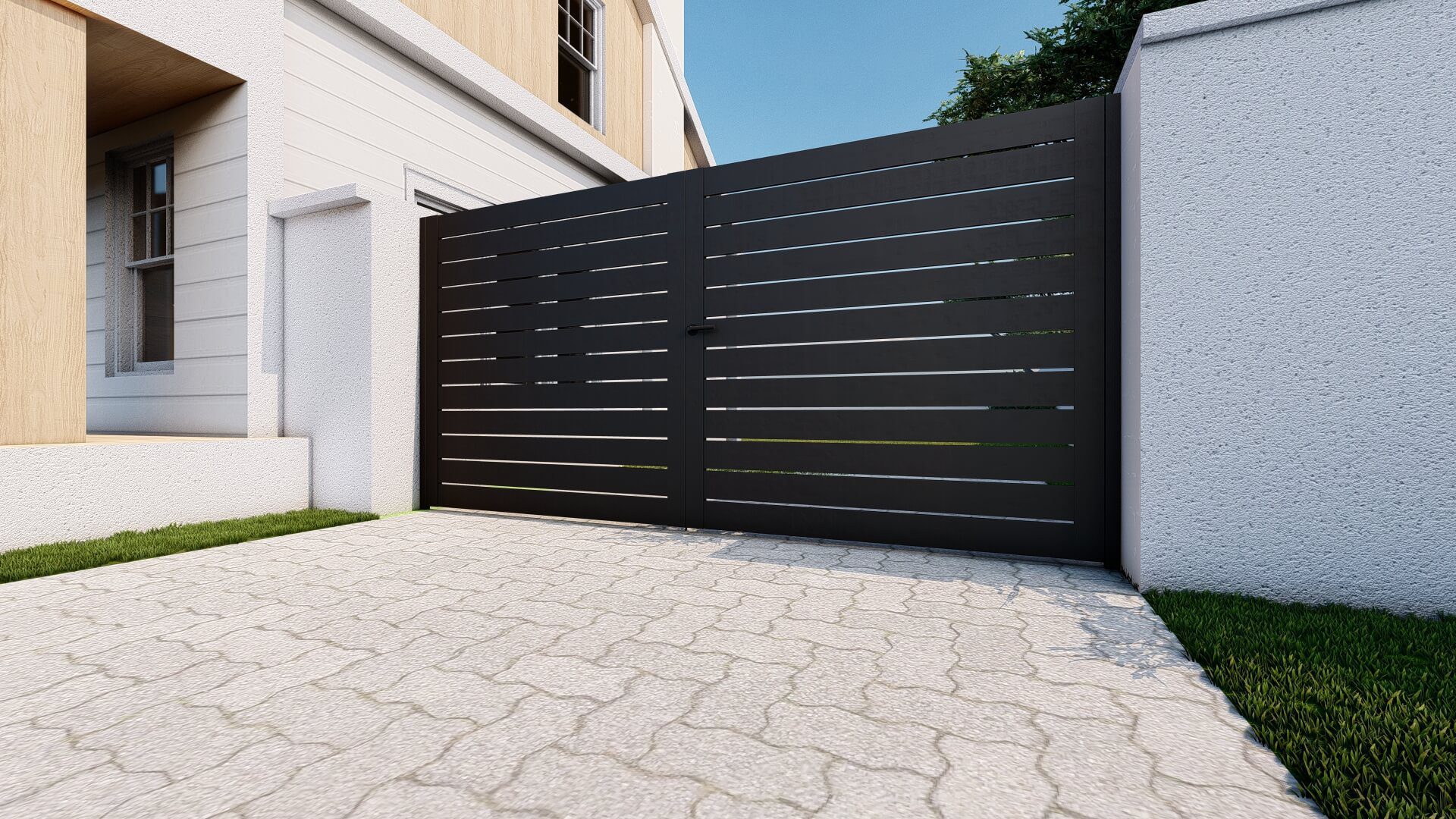
Black aluminum horizontal-slat double driveway gate on stone pavers — RKC Wood Care Pros

Pull In Without Stopping

You slow to the driveway, the gate swings open, you keep rolling. Groceries in the back seat, kids in car seats, rain on the windshield — you never have to get out. That's what the right gate and opener feel like from the seat of your car.

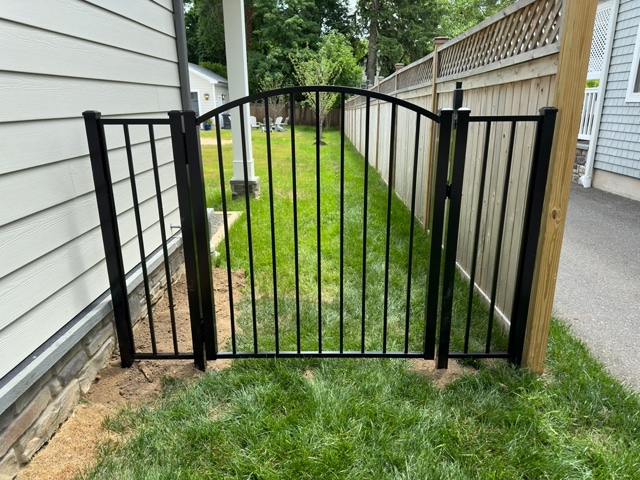
Black aluminum arched walk gate at a residential pathway — RKC Wood Care Pros

Latches Itself Behind the Dog

You let the dog out, walk back inside, and the walk gate catches on its own. Self-closing hinge, drop-rod latch lined up to the millimeter. No more running back across the yard because the gate drifted open behind you.

Black ornamental iron driveway gate with decorative scroll top — RKC Wood Care Pros

Wide Enough for the Trailer

The boat trailer clears the opening on the first try. The landscape trailer, the utility trailer, the camper. Every double-drive gate we build is sized to the actual vehicle you're pulling through — not a default 10-foot guess.

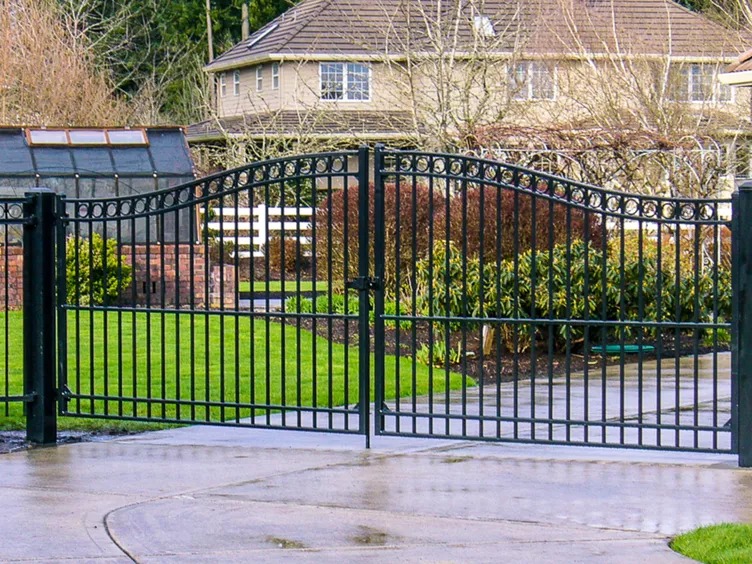
Black ornamental iron double driveway gate with scrollwork at a Kansas City residence — RKC Wood Care Pros

Still Plumb Next Summer

A year in, the gate still lines up. No second-hinge droop, no quarter-inch latch shift, no "we'll come back and adjust it." Welded steel frame, diagonal cross-brace, hinge post 42 inches deep in poured concrete — the build that holds its geometry.

GATE USE CASES

Which Gate Do You Actually Need? Start With the Opening.

The most common misstep on gate projects is treating every gate the same. A 4-foot walk gate and a 14-foot drive gate look superficially similar — they both swing, they both latch, they both live on a fence line. But the hardware, the post depth, the bracing, and the wind-load engineering are not the same conversation. Start by matching the gate to the actual opening. Here are the four we install most often across the KC metro.

PEDESTRIAN
1

Walk Gate (3–4 ft wide)

3–4 ft wide · 4–6 ft tall · single post-mounted hinge

The most common gate we install — a single-leaf walk gate matched to a privacy or picket fence line, sized for a homeowner carrying a laundry basket, a trash bin, or a kid on a hip. Frame welded (not bolted). Heavy-duty strap hinges (not residential screw hinges). Self-closing where dogs or pools are involved.

Typical hardware: Welded square-tube frame, 2-point strap hinges, gravity latch or drop-rod, optional self-closing hinge pair.

$285–$750 installed

DRIVEWAY
2

Single-Drive Gate (10–14 ft wide)

10–14 ft wide · 4–6 ft tall · opener-ready or manual swing

A common misstep on driveway gates is treating them like a taller walk gate — they aren't. A 12-foot swing gate is a sail with a 300-pound lever arm on every hinge. We weld the frame at the corners, add a diagonal cross-brace from the lower hinge corner to the upper latch corner, and set the hinge post 42 inches deep in a bell-bottom concrete footing to handle the wind load and weight.

Typical hardware: Welded steel frame, heavy-duty J-bolt strap hinges or ball-bearing pivot, drop rod, cane bolt, opener-ready mounting plate.

$650–$1,800 installed

DUAL-SWING
3

Double-Drive Gate (14–20 ft wide)

14–20 ft total · two leaves meet in the middle · drop rod at center

Double-drive gates split the span into two leaves that swing from opposite posts — cuts the lever arm in half and reduces wind load on any single hinge. Standard on wider residential driveways and estate entries. Both hinge posts set 42 inches deep, both leaves cross-braced, both meet at a center drop rod that locks into a ground-set receiver. Matched finials and top rails make them look like a single piece.

Typical hardware: Two welded leaves, mirrored cross-bracing, 4-strap-hinge pair, center drop rod + ground receiver, optional dual-swing opener pair.

$950–$2,800 installed

SLIDING
4

Sliding Gate (narrow lots, steep grades)

10–20 ft travel · sits on V-track or cantilever · no swing radius required

When the driveway is narrow, the approach grade is steep, or the opening is along a retaining wall — a swing gate has nowhere to go. A sliding gate rides a V-track or cantilevers on rollers to the side, needs zero swing clearance, and installs cleanly against a sloped approach. Great for KC hillside lots where a swing would catch on rising pavement.

Typical hardware: Cantilever rollers or V-track, guide posts, nylon guide wheels, slide opener-ready, optional keypad integration.

+$400–$900 over equivalent swing gate for sliding hardware

KC-specific note. Johnson County suburban driveways typically clear 12 feet. Older KCMO lots (Brookside, Waldo) run narrower at 9–10 feet. Northland new construction averages 14–16 feet. We measure the actual opening at estimate — openings are almost never what the homeowner remembers.

Gate Catalog

Every Gate Option, Across Every Material

Vinyl walk gates, ornamental estate drive gates, commercial chain-link — plus custom cedar and wood-clad steel for matched-fence builds. Browse the gate catalog below. Every option we stock installs to the same welded-frame, heavy-hinge, 42-inch-post standard.

Select a style above to see colors and details

INSTALLATION STANDARDS

The Six Standards That Make an RKC Gate Still Swing Clean at Year 10

Every gate RKC installs follows the same six standards — walk, drive, swing, slide, residential, commercial. These aren't upgrades. They're the baseline. A gate that skips any of them sags by year 5, drags the latch by year 7, and gets replaced by year 10. Ours don't.

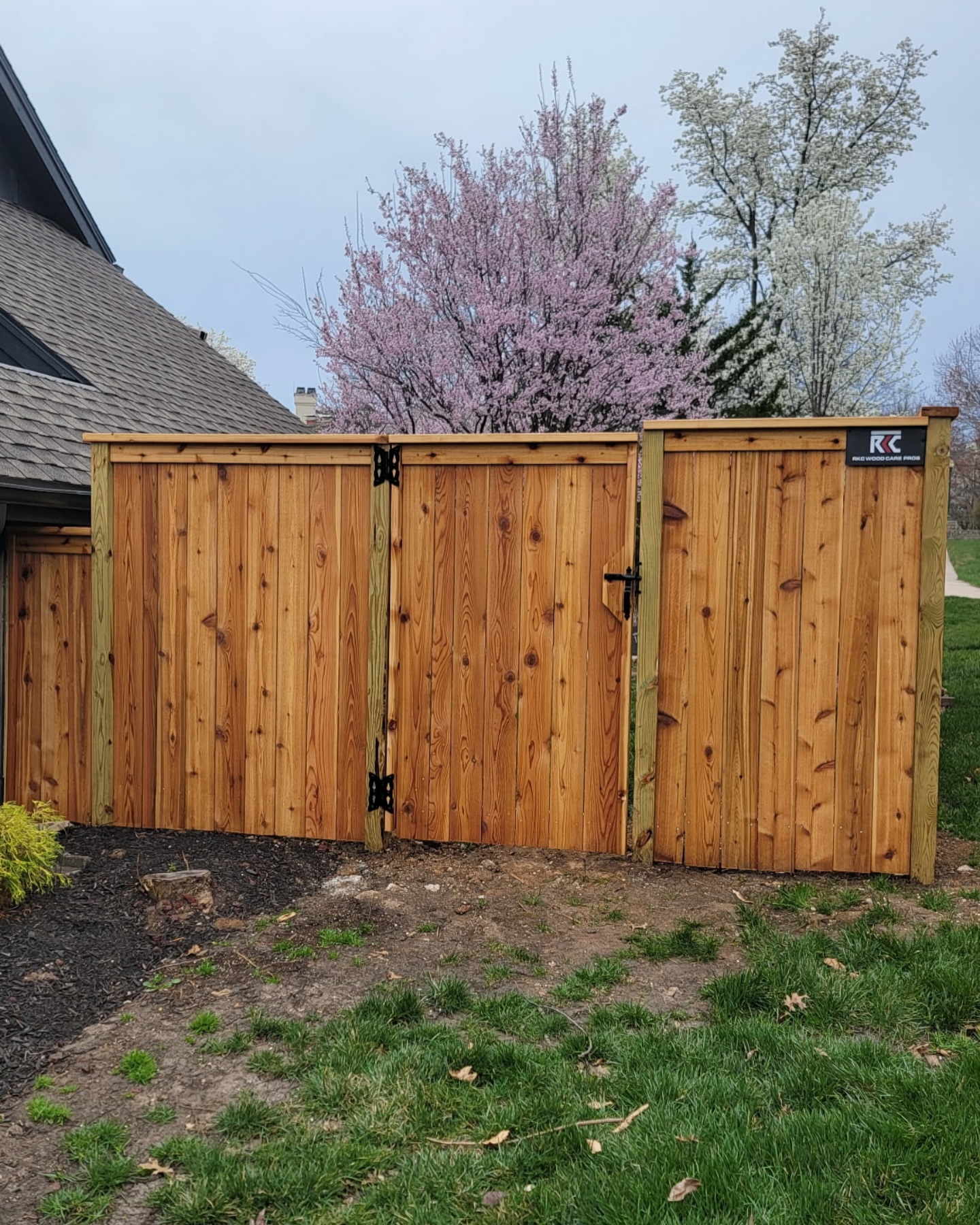
Finished cedar double-drive gate with RKC Wood Care Pros logo tag — Kansas City
Every gate hinge post set 42 inches deep in a bell-bottom concrete footing — 6 inches deeper than the fence posts, below the KC frost line.
  1. 1

    Welded steel frames — not bolted

    Every gate frame we build is welded at every corner joint. Bolted frames rack and sag under their own weight within two years. A welded 2x2 or 2x3 steel square-tube frame stays square for the life of the gate. Powder-coated to match ornamental panels, or left raw for cedar-clad residential walk gates.

  2. 2

    Heavy-duty strap hinges rated for the gate weight

    We spec every hinge to the actual weight of the gate plus a 50% safety factor. Residential walk gates get strap hinges rated to 100 lbs per hinge. Driveway gates get J-bolt strap hinges or ball-bearing pivots rated to 400+ lbs. The hinge brand we don't use: the screw-in residential variety that ships with big-box kits — they pull out within a season.

  3. 3

    Diagonal cross-bracing on every swing gate

    Gravity pulls a gate down toward the latch corner. A diagonal cross-brace running from the bottom hinge corner up to the top latch corner turns gravity into compression load on the brace (which steel handles fine) instead of a shear load on the latch corner (which it doesn't). Every single-drive and double-drive gate RKC installs carries this brace. It's the single biggest reason our gates don't sag at 5 years.

  4. 4

    Hinge post set 42 inches deep — deeper than the fence posts

    Standard fence posts at RKC go 36 inches deep in poured concrete, below the KC frost line. Gate hinge posts go 42 inches — 6 more inches of anchor to hold the gate weight, the wind-sail moment, and the repeated daily swing stress. Every gate post sits in a bell-bottom footing set in concrete. Standard on every gate install. A gate post that heaves is a gate that drags the latch through the catch.

  5. 5

    Exterior-rated hardware — galvanized, stainless, or powder-coated

    Zinc-plated hardware rusts out in Kansas City within 18 months — we've replaced plenty of it on repair calls. Every hinge, latch, drop rod, and fastener we install is either hot-dip galvanized, 304 stainless, or powder-coated over zinc. Costs 15–20% more. Lasts 10x longer. No rust staining down the cedar picket on your walk gate.

  6. 6

    Final operation check — and a hardware adjustment 30 days later

    Before we take final payment, we swing the gate open and closed 10 times, latch it 10 times, and watch every hinge under load. Any drag, any scrape, any latch miss — we adjust on the spot. Then, because new gate posts settle slightly in the first month, we come back at 30 days for a free adjustment pass. Every gate install includes it.

RKC installs and repairs every type of fence and every type of gate — wood, vinyl, chain link, ornamental iron, aluminum, and commercial security — plus automatic openers and in-house staining. The six standards above apply to every gate install we do. Gate repair standards are covered on the gate repair page; opener standards on automatic gates.

GATE MATERIAL COMPARISON

Wood, Vinyl, Aluminum, or Iron — Which Fits Your Use Case?

Every material works in Kansas City. Every material demands 42-inch hinge posts and a welded frame. They differ on weight, maintenance, look, and cost. Here's how each performs across the factors that matter — so you can match the material to your opening, not the contractor's margin.

Factor Wood (Cedar / PT) Vinyl Aluminum Iron / Steel
Walk gate cost installed $285–$500 $400–$650 $450–$850 $550–$950
Single-drive cost installed $650–$1,100 $900–$1,400 $1,200–$1,700 $1,400–$1,800
Maintenance cadence Re-stain every 2–3 yrs Occasional wash None Touch-up paint 5–7 yrs
Expected lifespan 15–20 yrs 25–30 yrs Lifetime 30–lifetime
Weight (affects hinge spec) Medium (35–90 lb) Light (25–65 lb) Light (20–60 lb) Heavy (80–250+ lb)
Best for use case Privacy walk + drive, cottage feel Low-maintenance walk, HOA clean look Ornamental walk, pool, view-through Security drive, estate entry, commercial
Opener-friendly Possible on drive gates Possible on drive gates Excellent Excellent (standard)
Try the Cost Estimator →

GATE INSTALLATION PRICING

What Gate Installation Costs Across the KC Metro

Typical installed prices for walk, single-drive, double-drive, and sliding gates — materials, welding, heavy-duty hinges, concrete footings, and permits included. Ranges assume standard openings, no automation, no site demo. Add openers and keypad entry from our automatic gates page.

MOST COMMON

Walk Gate (3–4 ft)

$285–$850 installed

Included: Welded frame, strap hinges, gravity latch or drop rod, 36" hinge post in poured concrete

Changes price: Material (cedar vs vinyl vs ornamental), self-closing hinges, keypad/keyed latch

STANDARD DRIVEWAY

Single-Drive Gate (10–14 ft)

$650–$1,800 installed

Included: Welded frame, diagonal cross-brace, heavy-duty hinges, drop rod, 42" hinge post, opener-ready mount

Changes price: Iron vs aluminum vs wood, opener pre-wiring, cane bolt, custom finials

PREMIUM ENTRY

Double-Drive Gate (14–20 ft)

$950–$2,800 installed

Included: Two welded leaves, mirrored bracing, 4 heavy-duty hinges, center drop rod + ground receiver, two 42" hinge posts

Changes price: Material, decorative top rail, automation pre-wire, width over 20 ft

SPACE-CONSTRAINED

Sliding Gate Hardware

+$400–$900 over swing

Included: Cantilever rollers or V-track, guide posts, nylon guides, slide-opener mounting

Changes price: Track length, grade slope, opener selection (separate line)

Try the Cost Estimator →

HOW IT WORKS

From First Measure to Working Gate in 2–4 Weeks

Walk gates install in a day. Drive gates in one to two. The full timeline runs 2–4 weeks from estimate approval, driven mostly by fabrication and concrete cure. Here's the sequence we follow on every gate install — including the 30-day return visit that catches the small shifts after posts settle.

  1. 1

    Opening Measurement + Use-Case Walkthrough

    We come out, measure the actual opening (openings are almost never what the homeowner thinks), and walk through the use case — walk vs drive, manual vs automated, swing vs slide. Response typically same business day.

  2. 2

    Written Estimate with Hardware Specified

    Every estimate lists the frame material, the hinge brand and rating, the latch, the post depth, and whether the gate is opener-ready. No "we'll figure out the hardware on install day."

  3. 3

    Fabricate + Install

    Walk gates ship from the manufacturer or get fabricated in 1–2 weeks for custom. Drive gates typically 2–3 weeks. Installation is a 1-day job for walk gates, 1–2 days for drive gates including concrete cure.

  4. 4

    Operation Check + 30-Day Adjustment

    We swing/slide the gate 10 times before final payment. At 30 days, after the posts have fully settled, we return for a free adjustment pass — realign the latch, tighten any hinge drift, confirm self-close timing.

WHAT GATE CUSTOMERS SAY

Reviews from KC Homeowners Who Hired RKC for Gate Installation

Nine gate-specific reviews from across the metro — walk gates, drive gates, sliding gates, and matched-fence walk gates. These customers felt the welded-frame, heavy-hinge, deep-post difference directly. Full archive on Google.

★★★★★
“Josh built a double-drive gate for our driveway and welded every corner. Two years in, zero sag, still swings square. You can tell the difference from the bolted gates everyone else installs.”
David L. Overland Park, KS
Double-Drive Gate
★★★★★
“We had a walk gate that sagged from day one with the last contractor. RKC pulled the post, set it deeper in concrete, and built us a new welded gate with strap hinges. Closes perfectly every time.”
Rachel P. Olathe, KS
Walk Gate Install
★★★★★
“They installed a 12-foot iron single-drive gate with a cross-brace and heavy-duty hinges, set the hinge post 42 inches deep. Two winters in, still plumb. The last guy set our old gate at 24 inches and it lasted 11 months.”
Thomas M. Leawood, KS
Iron Drive Gate
★★★★★
“Our lot has a steep driveway grade so swing gates wouldn't work — RKC spec'd a cantilever sliding gate instead. Runs smooth on the rollers, clears the slope with no drag. They knew exactly how to solve this.”
Amanda K. Lee's Summit, MO
Sliding Gate
★★★★★
“We needed matching walk gates on both sides of the house to match our cedar privacy fence. RKC built them in-house to the exact picket pattern. Self-closing hinges for the kids. Looks like the fence grew a gate.”
Jennifer W. Prairie Village, KS
Cedar Walk Gate
★★★★★
“They replaced our sagging wood drive gate with a welded steel frame clad in cedar. Looks identical to the old one, weighs the same, but it stays square. Best decision we made on the whole project.”
Steven R. Shawnee, KS
Steel-Core Wood Gate
★★★★★
“RKC put in a vinyl walk gate that matches our privacy fence exactly. Drop-rod latch, aluminum-reinforced frame, the whole thing. Two years no warp, no rust, nothing. Works perfectly.”
Linda G. Independence, MO
Vinyl Walk Gate
★★★★★
“Commercial client — we needed a 16-foot chain-link double-drive gate with a padlock setup for our yard. RKC installed it in a day, welded the frames, added the drop rod. Opens clean every morning.”
Brian T. Kansas City, MO
Chain Link Drive Gate
★★★★★
“Our HOA required an ornamental walk gate with specific hardware. RKC handled the architectural review committee submission and installed the exact gate on the spec. One less hassle for us.”
Nicole B. Overland Park, KS
HOA Ornamental Walk Gate

Read all 77+ reviews on Google →

OUR SERVICE AREA

Gate Installation Across the Entire Kansas City Metro

We install gates in 56 cities across the KC metro, both sides of the state line. From Johnson County HOA neighborhoods to KCMO driveway installs to commercial yard gates on the MO side, we handle permits, opening measurements, and every material.

Kansas

Johnson County is home base. Bonner Springs , Gardner , Leawood , Lenexa , Mission , Olathe , Overland Park , Prairie Village , Shawnee , Spring Hill . We handle permit applications, HOA architectural review, and opening measurements in every city.

Missouri

Northland through the southern suburbs. Belton , Blue Springs , Grain Valley , Grandview , Greenwood , Independence , Kansas City , Lee's Summit , Liberty , Oak Grove , Peculiar , Pleasant Hill , Raymore , Smithville . We handle KCMO's CompassKC portal and varying gate-height rules across Jackson, Clay, and Platte counties.

Recent Installs Across KC

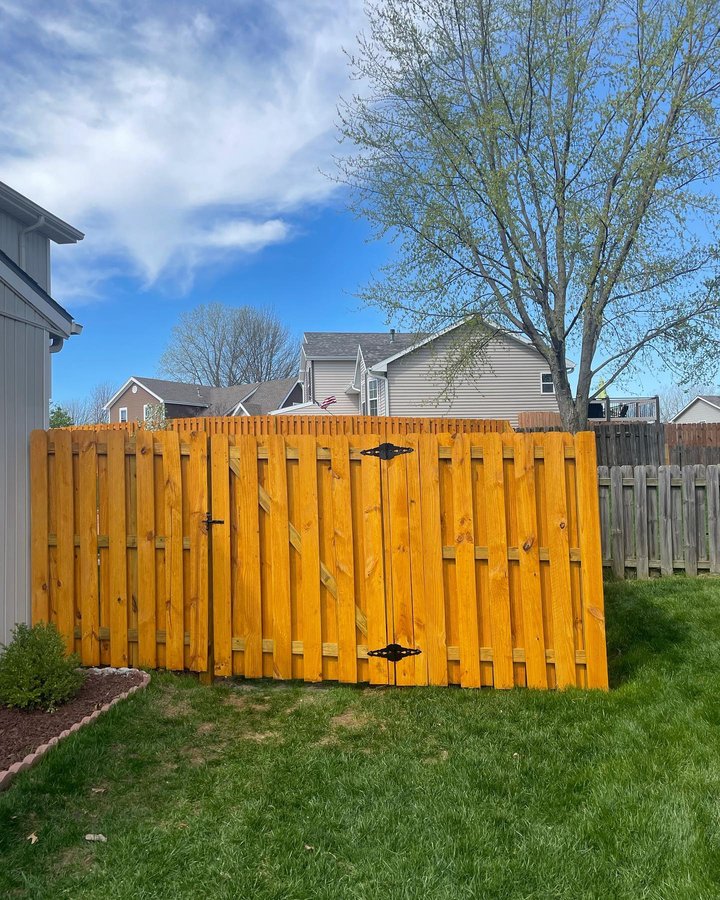
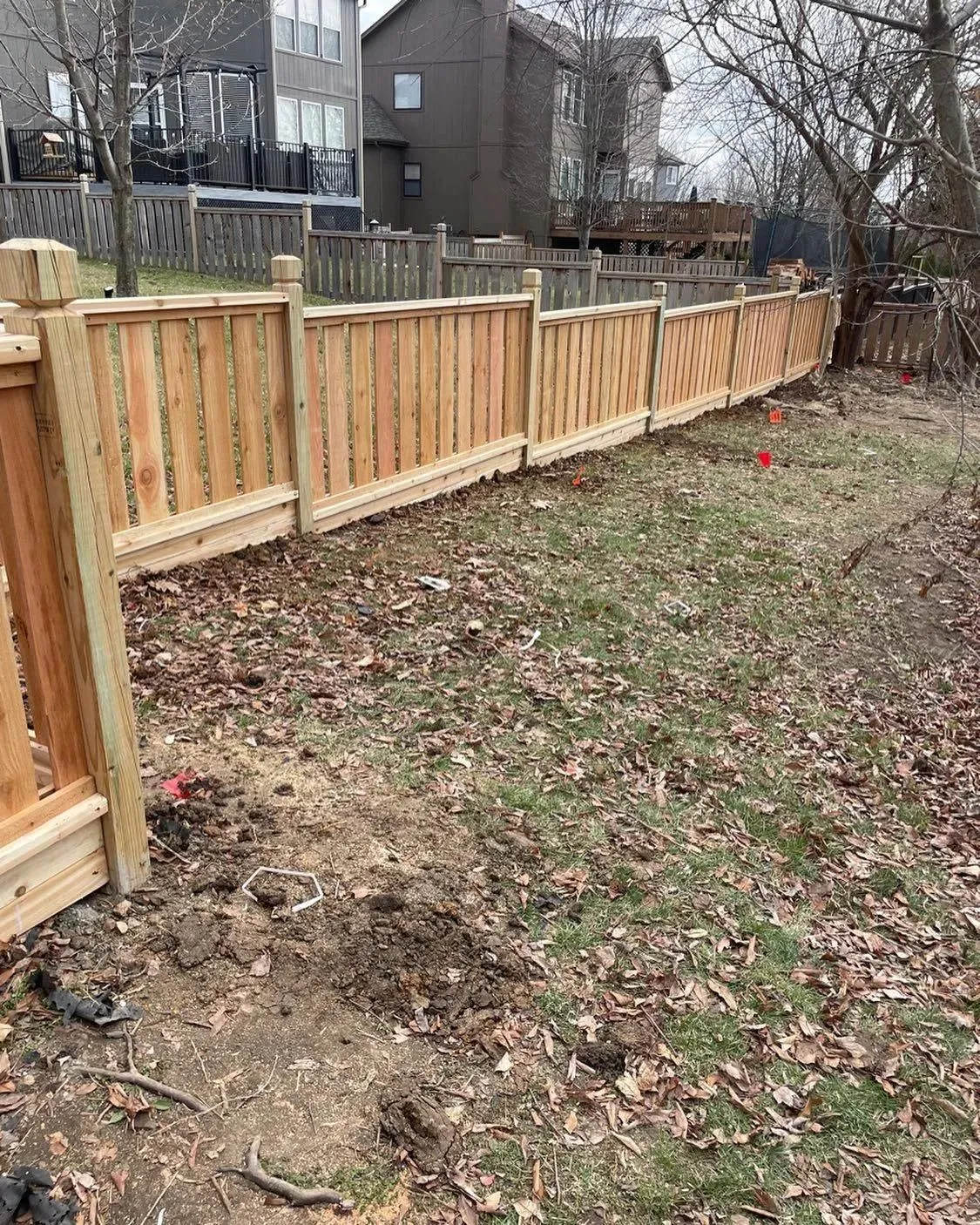
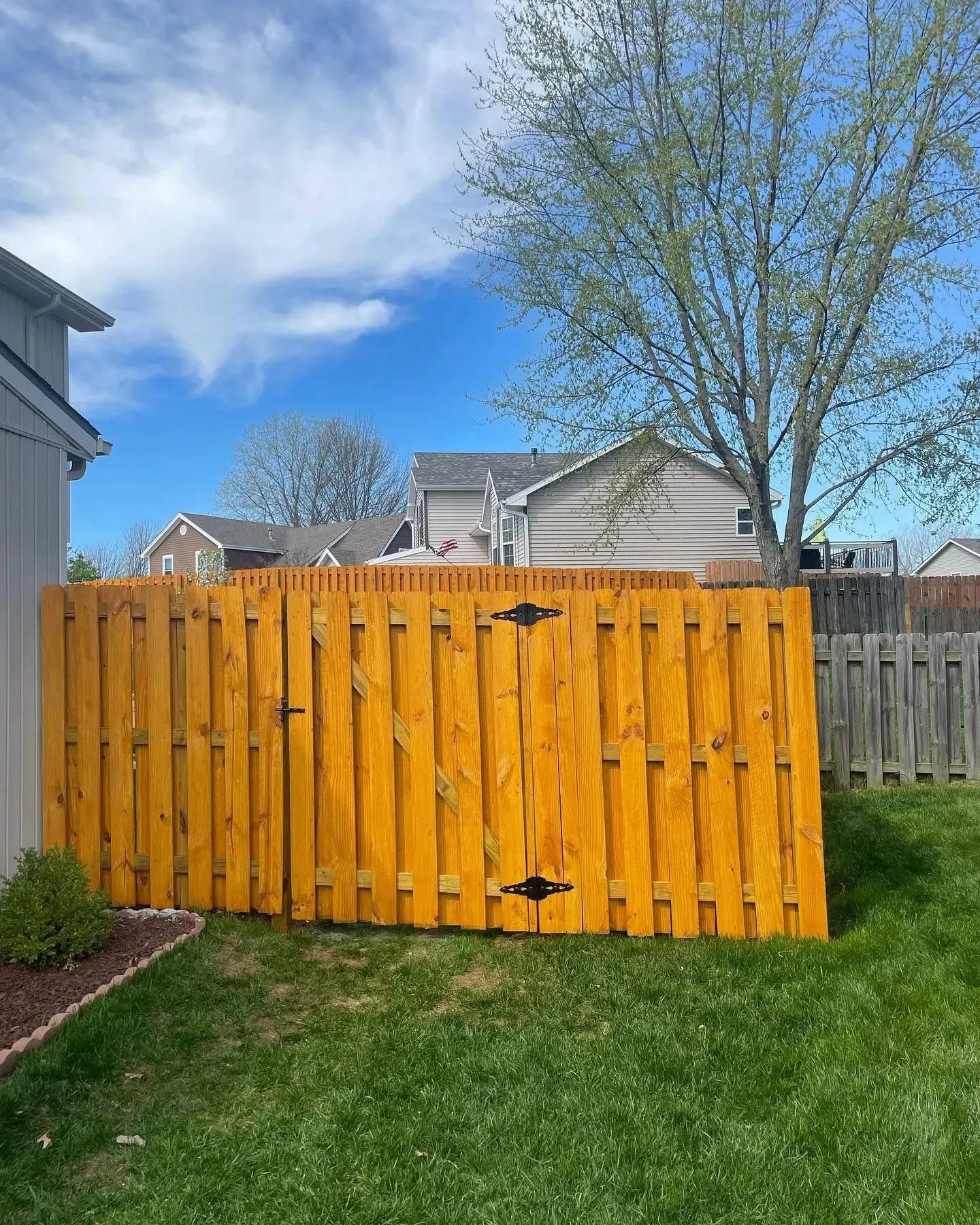
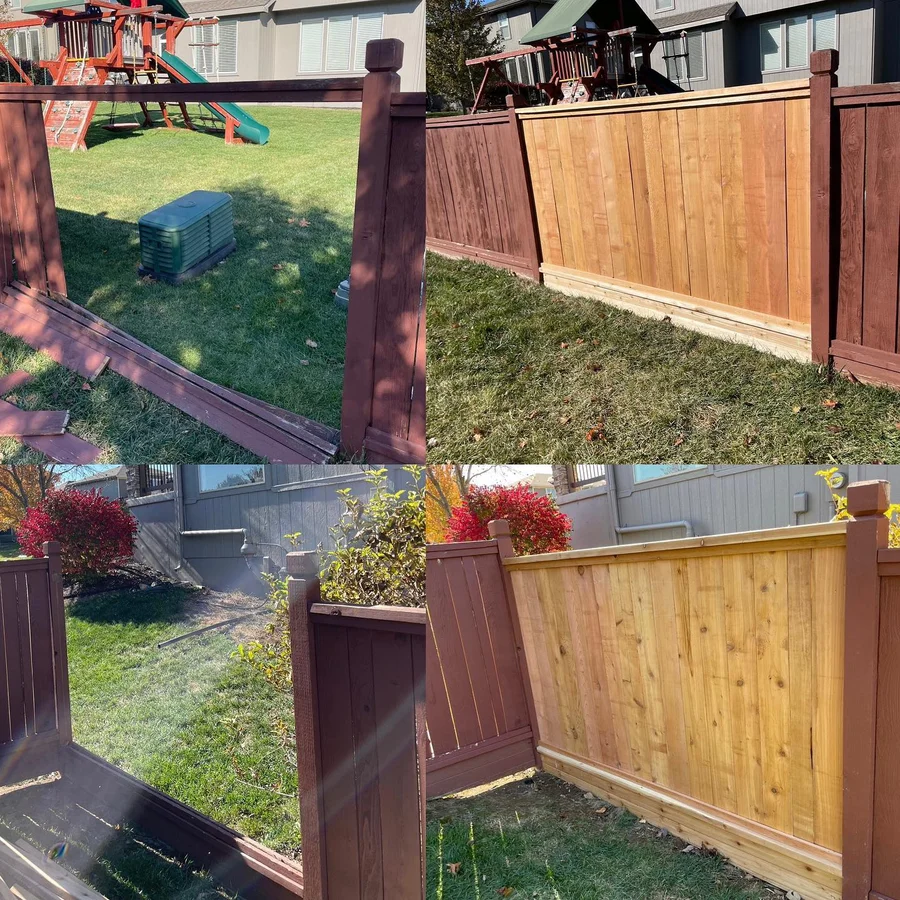
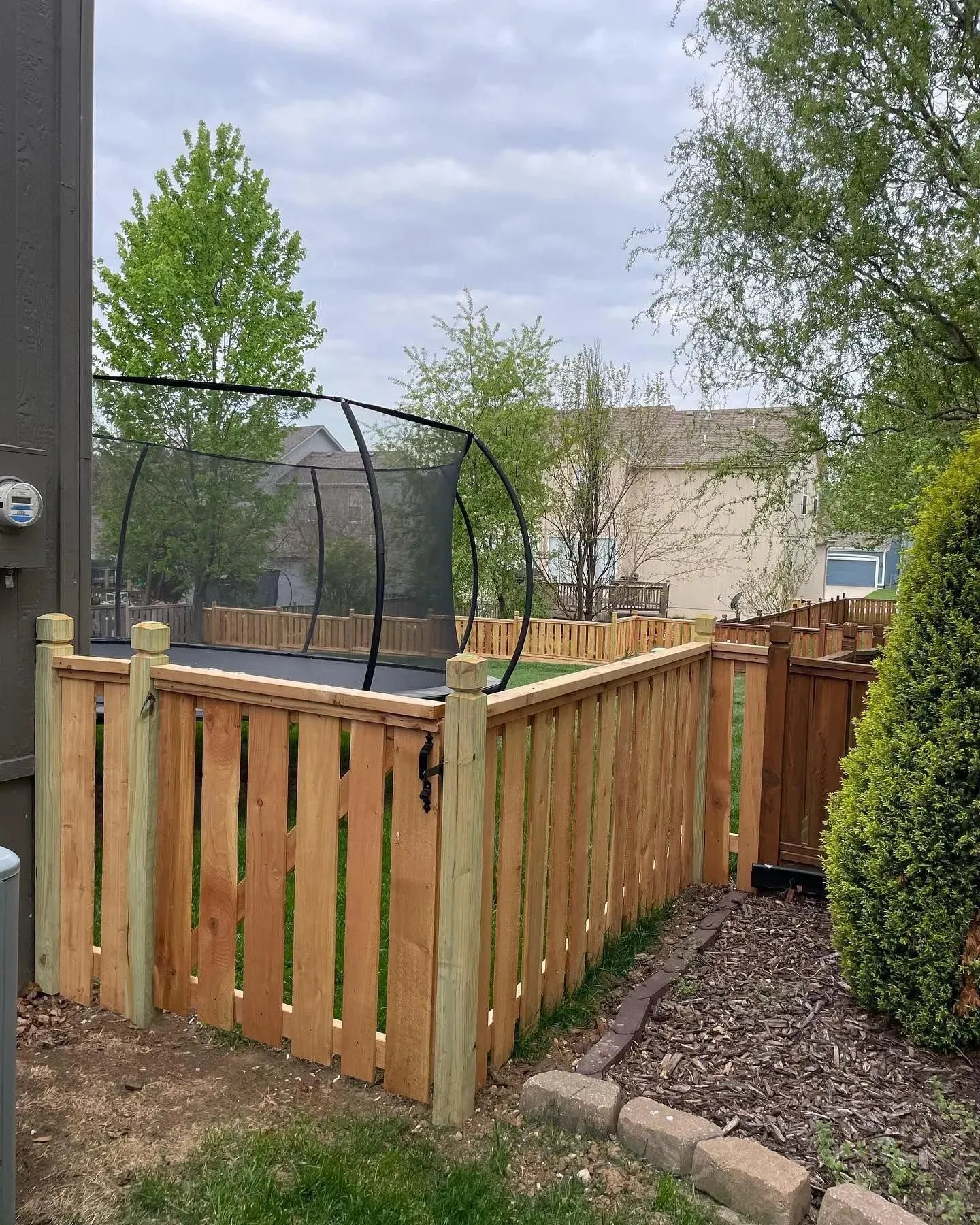
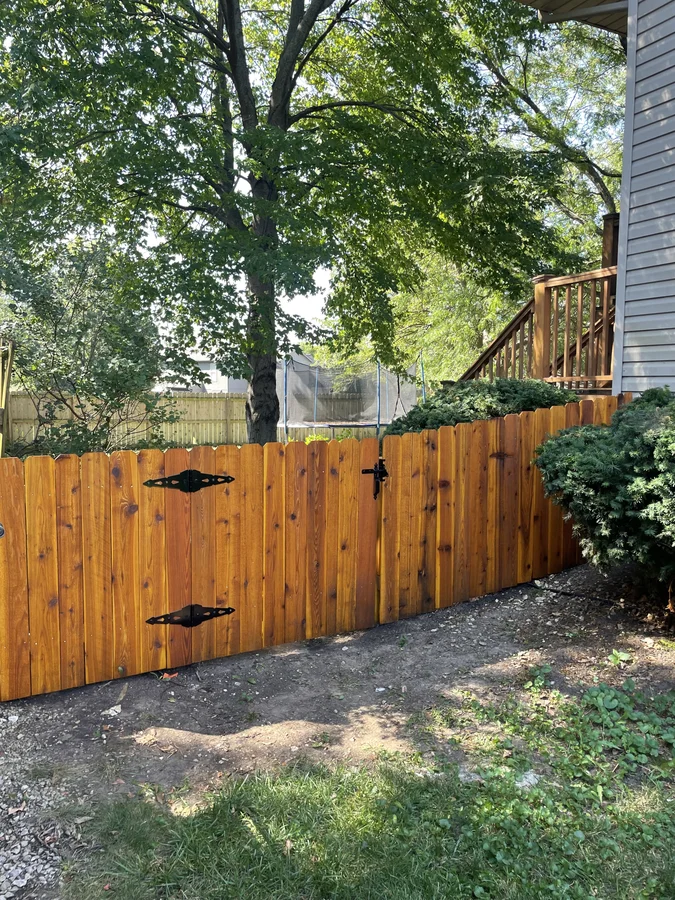
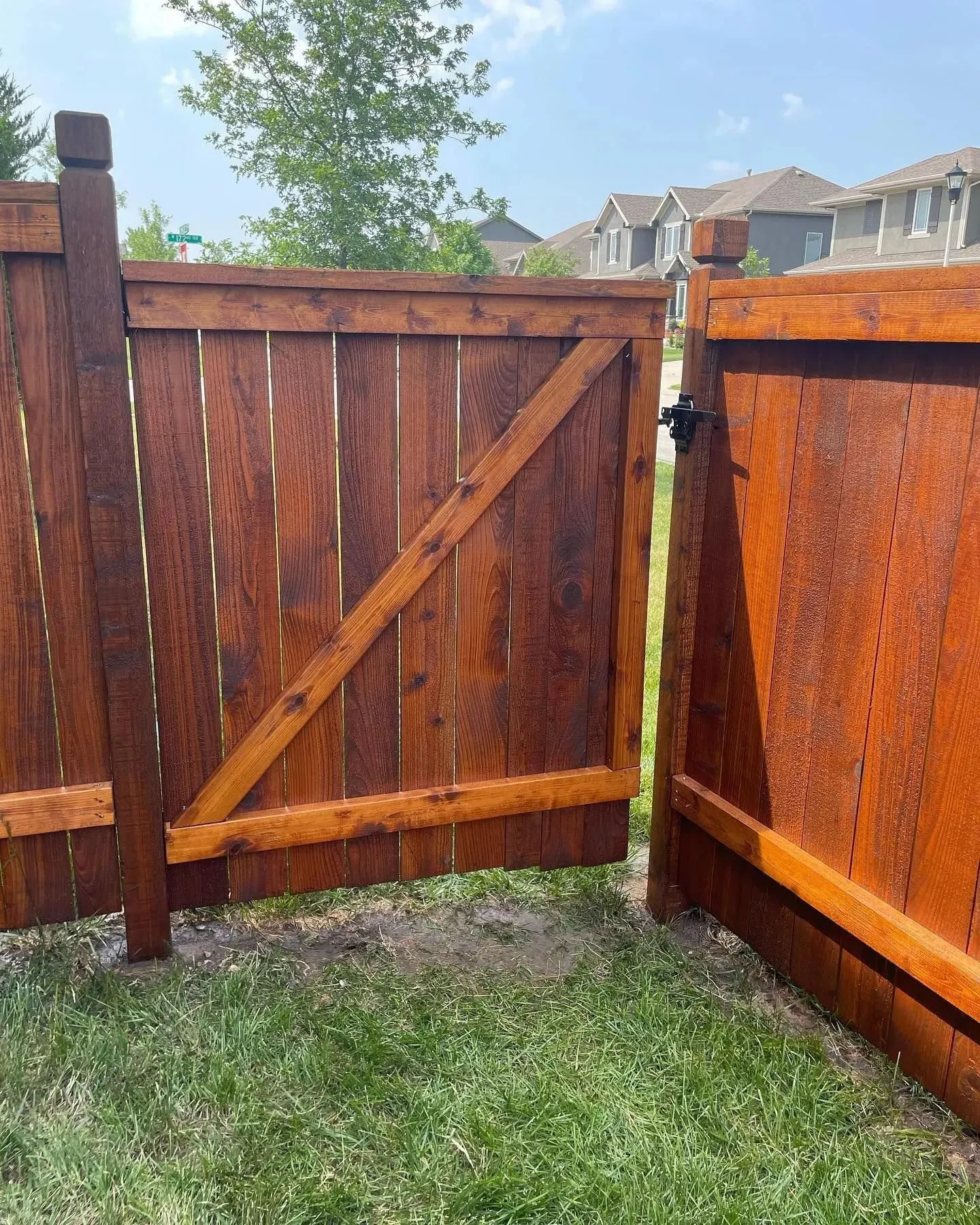
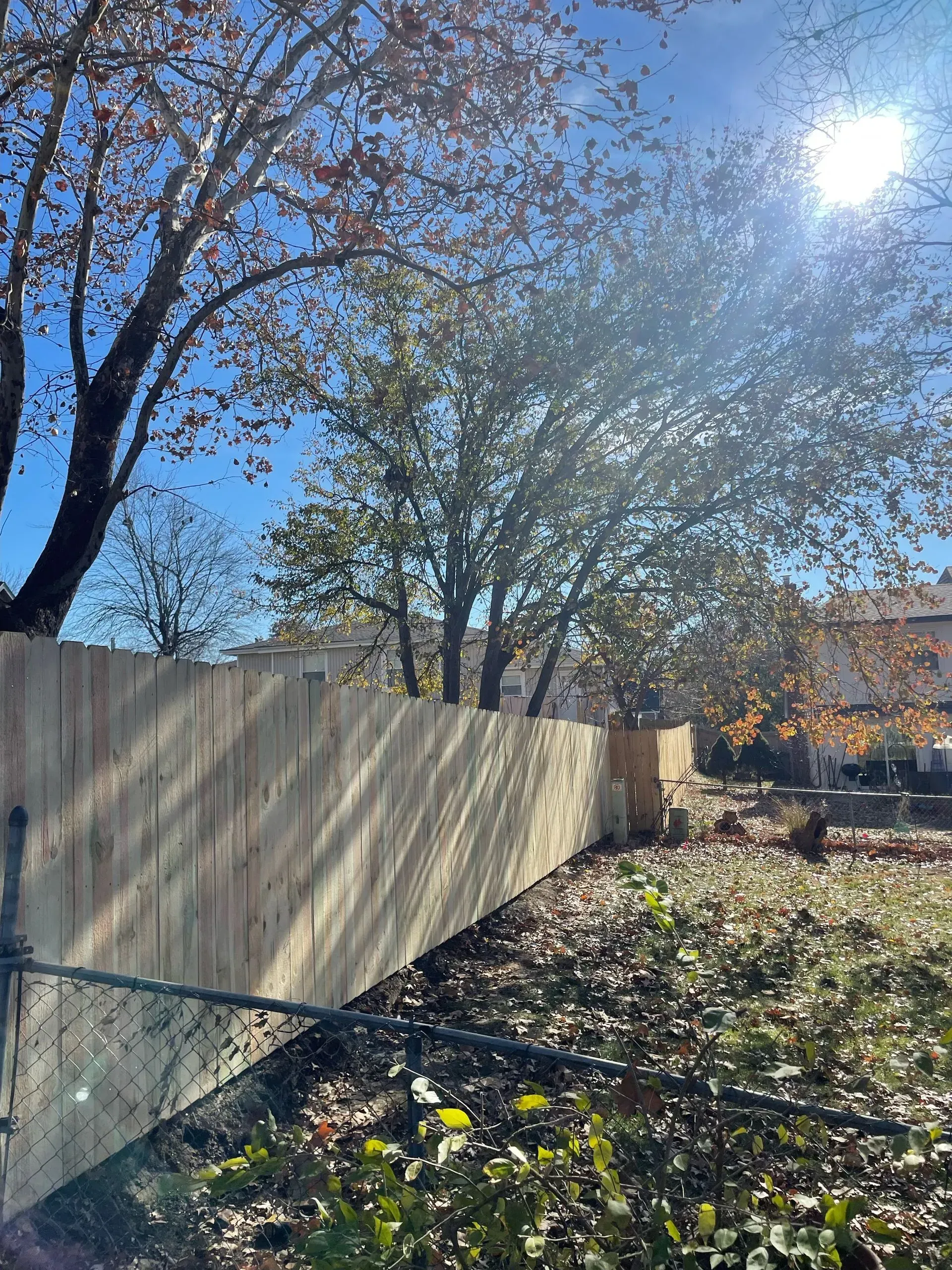
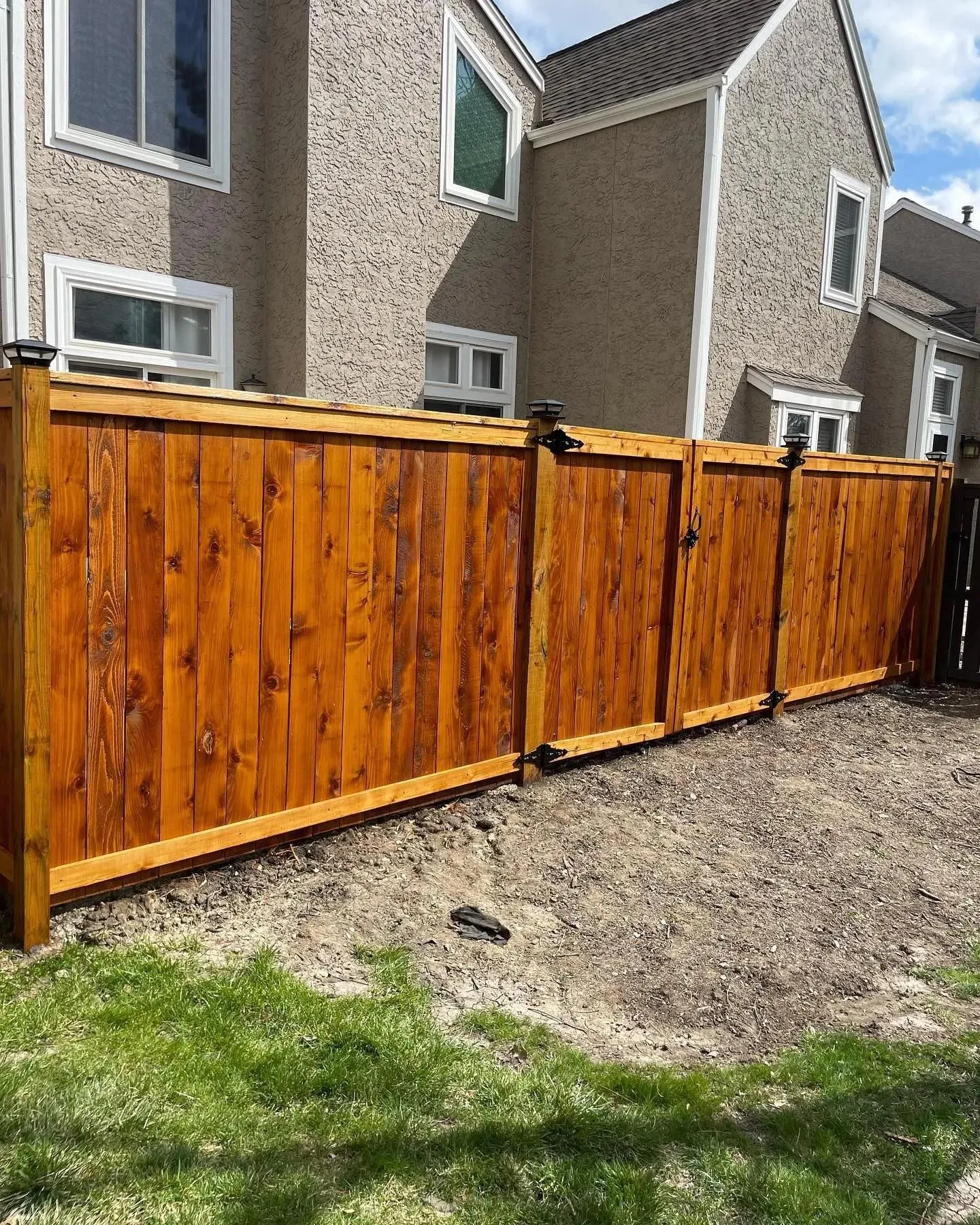
Cedar privacy fence with matching walk gate and gate stop post in Olathe, KS — RKC Wood Care ProsBoard-on-board cedar walk gate with diagonal cross-brace anti-sag in Shawnee, KS — RKC Wood Care ProsWood fence and gate replacement with welded steel gate frame in Spring Hill, KS — RKC Wood Care ProsSemi-transparent stained cedar walk gate with strap hinges in Blue Springs, MO — RKC Wood Care Pros

GATE INSTALLATION QUESTIONS

Every Gate Installation Question KC Homeowners Ask — Answered Straight

Common gate questions that come up most often on estimate calls. If yours isn't here, call (913) 286-1091.

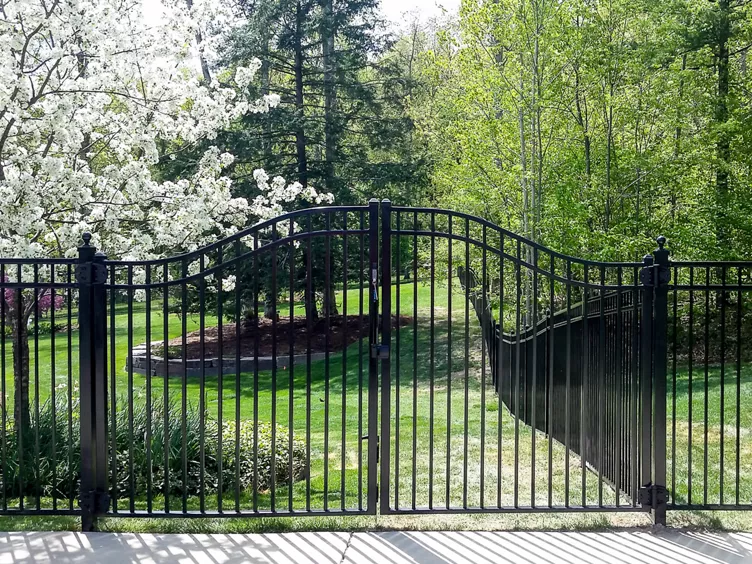
Black ornamental iron arched driveway gate with landscaping — RKC Wood Care Pros

Gate Types & Sizing

What gate sizes do you install for residential driveways in Kansas City?
Standard KC metro residential driveway widths run 10–14 feet between the pillars or fence line. Most single-drive gates we install fall in that range, with 12 feet being the most common. Wider driveways (over 14 feet) almost always get a double-drive gate — two 7–9 foot leaves meeting in the middle — because a single leaf at 16+ feet puts too much lever arm on the hinges and wind-sails badly.
What size walk gate should I order for my backyard?
3.5 to 4 feet wide is the sweet spot for a residential walk gate — wide enough for a wheelbarrow, a rider mower, or two people carrying a cooler, narrow enough that a single strap hinge pair handles the weight. Under 3 feet feels cramped. Over 4 feet starts to sag on single hinges unless you upgrade the hardware. We size every walk gate to the opening on the estimate visit.
Do I need a swing gate or a sliding gate for my driveway?
Swing is the default — simpler hardware, cheaper, easier to automate. Slide becomes necessary when one of three things applies: the driveway approach grade is steep enough that a swinging leaf would drag on rising pavement; the lot is narrow and there's no swing clearance on either side; or the opening is along a retaining wall or landscape bed that blocks the arc. If any of those match, we spec slide hardware.
Can I have a walk gate and a drive gate on the same fence line?
Yes, and it's a common combo for front yards with a driveway and a side entry. We match the top rail, the material, and the finials so both gates read as one system. The walk gate typically lands near the house or the sidewalk; the drive gate spans the driveway. We pull the permit and run hardware compatible with both openings.

Hardware & Construction

Why do you weld gate frames instead of bolting them?
A bolted gate frame racks — every bolt joint flexes a little under load, and over time the frame goes out of square. Once it's out of square, the latch stops aligning and the gate drags. A welded frame is a single piece of steel; it doesn't rack, doesn't flex, doesn't go out of plumb. Costs a little more in shop time, lasts 10+ years longer in service. Every gate we build is welded at every corner.
What kind of hinges do you use on drive gates?
Heavy-duty J-bolt strap hinges or ball-bearing pivots, rated to at least 50% more than the gate weight. A 180-pound iron drive gate gets hinges rated to 300+ lbs per hinge, mounted on a 42-inch-deep 6x6 hinge post or 4-inch steel pipe. The residential-kit hinges that ship with most big-box drive gates are rated to maybe 100 lbs and will strip out of a wood post within a year.
How deep are gate hinge posts set compared to fence posts?
Fence posts go 36 inches deep in poured concrete. Gate hinge posts go 42 inches — 6 extra inches of anchor below the frost line to hold the gate weight and the wind-sail load. For heavy iron or steel drive gates, we can go to 48 inches and up-size the post to 6x6 wood, 4-inch steel pipe, or a poured concrete column. Every one sits in a bell-bottom concrete footing, set in concrete below the frost line — standard on every gate install.
What is a diagonal cross-brace and why do all your swing gates have one?
A cross-brace is a piece of steel welded diagonally across the gate frame, from the bottom hinge corner up to the top latch corner. Gravity wants to pull the latch corner of a gate downward; without a brace, that force becomes a shear load on the latch corner joint and the gate sags. With a brace, the force becomes a compression load on the steel brace — which steel handles easily. It's the single biggest reason RKC gates don't sag at the 5-year mark.

Pricing & Timeline

How much does a walk gate cost installed in Kansas City?
A cedar walk gate runs $285–$500 installed. A vinyl walk gate runs $400–$650. An ornamental aluminum walk gate runs $450–$850. Iron walk gates run $550–$950. Price depends on hardware grade (strap vs heavy-duty), whether the hinge post is already in place or needs to be set new, and whether you're adding self-closing hinges or a keyed latch.
How much does a driveway gate cost installed?
A single-drive gate (10–14 ft) runs $650–$1,800 installed depending on material — wood and vinyl are at the low end, aluminum ornamental in the middle, steel/iron at the top. Double-drive gates (14–20 ft) run $950–$2,800. Add $400–$900 over equivalent swing for sliding hardware. Automation is a separate line; see our automatic gates page for opener pricing.
How long does a gate install take?
Walk gates: 1 day on-site, 1–2 weeks from estimate approval including concrete cure. Single-drive gates: 1–2 days on-site, 2–3 weeks lead time for custom fabrication. Double-drive gates: 2 days on-site, 3–4 weeks lead. Sliding gate hardware adds about a week to any timeline. Concrete hinge posts cure for 24–48 hours before the gate leaf gets hung.
Can you match a gate to an existing fence?
Yes. If the existing fence is RKC-built we already have the material specs on file. If it's an old install from another contractor, we measure the picket spacing, top-rail height, and finish, then match the gate to it. Cedar matches by grain and stain color; vinyl matches by panel color code (we stock Catalyst); iron matches by powder-coat color and picket spacing.

Maintenance & Longevity

How often does a gate need to be serviced?
A well-built gate (welded frame, heavy-duty hinges, 42-inch post) should need zero service for the first 5–7 years beyond tightening a bolt if a hinge drifts. After that, the latch may need realignment once, and hinges may need re-greasing (if they're grease-fitted) every 3 years. Wooden gates also need re-staining on the same schedule as the fence — every 2–3 years in KC. We handle that in-house.
What is the 30-day adjustment visit?
Every RKC gate install includes a return visit at 30 days. New concrete footings settle slightly in the first month, which can shift the latch alignment by an eighth of an inch — enough to miss the catch. We come back, adjust the latch plate or the hinge drift, confirm self-close timing, and verify everything swings clean. Included in every install price.
Can you repair a sagging gate without replacing it?
Sometimes. If the frame is welded and the sag is from a loose hinge or a heaved hinge post, we can re-set the post, upgrade the hinge, and realign the latch for less than a new gate. If the frame is bolted and racked out of square, replacement is usually cheaper than trying to straighten it. See the gate repair page for the full diagnostic matrix.
Do you stain wood gates in-house?
Yes. Every wood gate we install gets scheduled on the same 30-day-post-install stain timeline as the fence line it joins — same company, same stain, same crew standards. In-house staining means you're not hunting for a "stain guy" two years later. If it's a standalone gate install with no matching fence, we still handle the first coat and walk through the re-coat cadence.

Ready when you are

Get a free estimate — we usually respond the same day.

Call (913) 286-1091